Step onto any football field today and you’ll notice a clear trend: visors have evolved from flashy accessories to essential performance equipment. Whether you’re battling stadium lights, harsh sun, or simply want to protect your eyes from stray fingers and debris, the right visor can be a game-changer. But here’s the frustrating reality that players, parents, and equipment managers face—finding a visor that actually fits your helmet model shouldn’t feel like solving a complex puzzle.
The market is flooded with options claiming “universal fit,” yet too many players end up with products that gap, rattle, or require modifications that void warranties. This comprehensive guide cuts through the marketing noise to give you the technical knowledge and practical insights needed to select a football visor that truly works with any helmet. We’ll explore the engineering principles behind genuine universal compatibility, decode the features that actually matter on game day, and arm you with the expertise to make a confident investment in your vision and safety.
Top 10 Football Visors for Any Helmet
Detailed Product Reviews
1. LOKIYS Football Visor - for Youth Football Helmets & Adult Football Helmets(Clear)

Overview: The LOKIYS Clear Football Visor delivers essential eye protection for players at an entry-level price point. Designed for both youth and adult helmets (excluding smaller children’s sizes), this polycarbonate shield blocks UV rays and reduces glare to improve on-field visibility. The universal clip system promises tool-free installation in seconds, making it accessible for players and parents alike.
What Makes It Stand Out: This visor distinguishes itself through its combination of anti-UV technology and scratch-resistant polycarbonate construction at a budget-friendly price. The quick-release clip system eliminates the frustration of complicated hardware, while the availability of over 10 styles allows teams to coordinate looks. Unlike basic models, it resists high-intensity scratching and maintains clarity throughout rigorous play.
Value for Money: At $9.99, this visor significantly undercuts premium brands like Oakley and Under Armour while delivering comparable core features. The durability of polycarbonate ensures season-long performance, making it an economical choice for recreational leagues, high school programs, or backup equipment. For players needing basic protection without league-level certification costs, this represents exceptional value.
Strengths and Weaknesses: Pros include effortless installation, effective UV protection, robust scratch resistance, and universal helmet compatibility. The anti-glare properties enhance passing and kicking accuracy. Cons involve limited compatibility with children’s helmets and uncertainty regarding certification for stricter youth leagues. The brand lacks the recognition of premium alternatives, which may concern some coaches.
Bottom Line: The LOKIYS Clear Visor is an excellent budget-conscious choice for amateur and developing players. It provides reliable eye protection and glare reduction without financial strain, though league approval should be verified before purchase.
2. LOKIYS Football Visor - for Youth Football Helmets & Adult Football Helmets (Black)

Overview: The LOKIYS Black Football Visor offers tinted eye protection for players seeking enhanced glare reduction beyond clear alternatives. Compatible with youth and adult helmets (excluding smaller children’s sizes), this polycarbonate shield features UV-blocking technology and a streamlined clip system for rapid installation. The black tint specifically targets sunlight mitigation while maintaining durability.
What Makes It Stand Out: This visor’s black tint provides superior glare reduction compared to clear models, making it ideal for bright daytime games. The same robust polycarbonate construction resists high-intensity scratching, while the universal clip system enables tool-free attachment. With over 10 style options available, players can achieve personalized aesthetics alongside functional benefits.
Value for Money: Priced at $11.99, this tinted visor commands only a $2 premium over its clear counterpart, representing minimal cost for significant visual enhancement. It competes favorably with branded alternatives costing $30-$50, offering recreational players professional-style tinting without the professional-grade price tag.
Strengths and Weaknesses: Strengths include enhanced sunlight blockage, durable anti-scratch coating, universal helmet compatibility, and effortless installation. The tint may improve focus by reducing peripheral brightness. Weaknesses center on potential league restrictions regarding tinted visors—many youth leagues prohibit them. The fit excludes smaller children’s helmets, and optical clarity may diminish in low-light conditions.
Bottom Line: For players in leagues permitting tinted visors, the LOKIYS Black model delivers excellent value and performance. Verify league regulations first, as its benefits are meaningless if disallowed on game day.
3. ZIXIOYS Tinted Football Visor, Universal Helmets Fits Youth and Adult Football Helmets (Clear)

Overview: The ZIXIOYS Clear Football Visor positions itself as a next-generation eye shield emphasizing rapid deployment and material flexibility. Designed for universal youth and adult helmet compatibility, this visor integrates UV protection and glare reduction with an innovative clip system. The scratch-resistant coating and inherently flexible polycarbonate aim to balance protection with resilience.
What Makes It Stand Out: This visor’s “new generation” quick-installation clips eliminate tool requirements entirely, allowing manual attachment in seconds—a significant advantage for players needing mid-game adjustments. The flexible polycarbonate material reportedly withstands impact better than rigid alternatives, while the surface coating provides enhanced scratch resistance. Its universal sizing simplifies team ordering.
Value for Money: At $12.99, the ZIXIOYS visor sits in the competitive mid-range, priced between budget and premium options. The quick-installation feature justifies the slight premium over entry-level models, particularly for programs equipping multiple helmets. However, it lacks the accessory bundle of higher-priced competitors.
Strengths and Weaknesses: Pros include the innovative clip system, material flexibility, effective UV/glare protection, and straightforward universal fit. The manual installation saves time and tool costs. Cons involve limited brand recognition and vague certification details. The description’s “tinted” labeling despite being clear may confuse buyers. No mention of style variety limits personalization options.
Bottom Line: The ZIXIOYS Clear Visor suits players and coaches prioritizing installation convenience and material flexibility. While brand recognition is limited, its functional innovations make it a worthy consideration for hassle-free equipment management.
4. MENOLY Football Visor, Youth Football Helmet Visor, Scratch Resistant, UV Block, Facial Protection Visor for Football Helmet
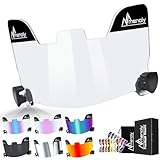
Overview: The MENOLY Football Visor represents a premium-tier eye protection solution with comprehensive accessories and enhanced safety features. Constructed from thick polycarbonate with a scratch-resistant coating, this visor blocks UV rays and eliminates glare while providing high-impact resistance. The universal fit accommodates youth and adult helmets, supplemented by a complete installation kit.
What Makes It Stand Out: This visor’s thickness delivers superior impact protection compared to standard models, addressing safety concerns for competitive play. The inclusion of a cleaning cloth, velvet pouch, and personalized stickers adds value beyond the shield itself. The two-clip installation system balances security with convenience, while the 24-hour dedicated customer service demonstrates manufacturer confidence.
Value for Money: At $17.99, this is the most expensive option reviewed, but the accessory bundle and thick construction justify the premium. For serious players or teams wanting ready-to-use kits without separate supply purchases, the all-in-one package offsets the higher price. It competes with $40+ visors from major brands while offering comparable protection.
Strengths and Weaknesses: Major strengths include thick polycarbonate construction, comprehensive accessory package, excellent customer support, effective UV/glare blocking, and universal compatibility. The included stickers enable personalization. Weaknesses involve the highest price point and potential over-specification for recreational leagues. The thickness may slightly reduce optical clarity compared to thinner shields.
Bottom Line: The MENOLY Visor is ideal for competitive players and programs demanding maximum protection and service. While priced higher, its complete kit and robust construction make it a sound investment for serious football.
5. O Shield Football Visor Clip, Suitable with Any Kinds of Football Helmet Visor, High Impact Absorbing Ability, Less Distortion, Youth and Adult are Available for Use, Yellow

Overview: The O Shield Football Visor Clip is a specialized hardware component designed to mount visors to helmets, not a visor itself. Engineered for universal compatibility, these clips feature a multi-material construction of impact-resistant plastic, copper, and stainless steel. The yellow color provides visibility during installation, while the manual screw mechanism ensures secure attachment without tools.
What Makes It Stand Out: These clips distinguish themselves through their hybrid material composition, combining plastic flexibility with metal strength for enhanced impact absorption. The universal design fits any helmet/visor combination, making them valuable replacement parts. The high-impact absorbing capability prevents distortion during collisions, maintaining visor position and player safety.
Value for Money: At $9.99 for clips alone, the value proposition is narrow. This price approaches complete visor kits, making it sensible only for replacing lost or broken hardware. For players whose visor included clips, this purchase is redundant. However, the durable construction ensures longevity, potentially outlasting original equipment.
Strengths and Weaknesses: Pros include universal compatibility, robust multi-material construction, easy manual installation, and high-impact performance. The yellow color aids visibility. Cons center on the product being clips only—not a visor—creating potential buyer confusion. The price is high relative to complete budget visors. No visor included means additional purchase required.
Bottom Line: Purchase O Shield Clips only if you need replacement hardware for an existing visor. For new visor buyers, complete kits offer better value. These excel as durable spare parts for equipment managers and teams.
6. GIKYTEC Football Visor Football Helmet Visor Scratch Resistant Facial Protection Visor Fits Youth and Adult Football Helmets(Clear Silver)

Overview:
The GIKYTEC Football Visor delivers essential eye protection for players at a competitive price point. Constructed from high-impact polycarbonate, this clear silver visor shields against scratches, glare, and dangerous finger pokes while maintaining visibility on the field.
What Makes It Stand Out:
The visor’s universal clip system sets it apart, enabling tool-free installation and removal in seconds. This feature proves invaluable for quick adjustments between games or during equipment checks. The polycarbonate construction offers robust protection without adding significant weight to the helmet, while the clear silver tint provides subtle glare reduction without compromising visibility in varied lighting conditions.
Value for Money:
At $18.99, this visor sits comfortably in the mid-range price bracket. It offers comparable durability to premium brands while undercutting them by several dollars. The included installation clips and scratch-resistant coating provide features typically found in more expensive options, making it an intelligent choice for budget-conscious players who refuse to compromise on safety.
Strengths and Weaknesses:
Strengths include rapid clip-on installation, durable polycarbonate material, universal youth and adult helmet compatibility, and effective glare reduction. The clear silver tint offers versatility across playing conditions. Weaknesses include limited color options compared to competitors, and the product description’s occasional reference to “soccer facemask” may confuse some buyers. The anti-scratch claim, while robust, would benefit from a specified warranty period.
Bottom Line:
The GIKYTEC visor represents solid value for recreational and competitive players seeking reliable eye protection without premium pricing. Its tool-free installation and sturdy construction make it a practical choice for most youth and adult leagues.
7. SLEEFS Clear Football Visor for Helmet - Professional Football Visor - Face & Eye Shield - Fits Youth & Adult Helmets - Includes Quick Visor Clips for Easy Installation

Overview:
SLEEFS positions itself as a professional-grade option that democratizes elite-level eye protection for everyday players. This clear visor combines shatter-proof polycarbonate construction with a scratch-proof coating, delivering uncompromised optical clarity for quarterbacks, receivers, and defensive players alike.
What Makes It Stand Out:
The brand’s explicit compatibility list covering major helmet manufacturers (Riddell, Schutt, Xenith, VICIS) demonstrates confidence in their universal fit system. The inclusion of a microfiber pouch shows attention to detail often missing in this price range. While the lite version lacks anti-fog coating, the company’s transparent communication about this limitation builds trust.
Value for Money:
At $21.99, this represents the premium end of the value spectrum. The price justifies itself through verified brand compatibility, professional-quality materials, and included accessories. Players using specific helmet models gain peace of mind knowing the visor is tested for their equipment, potentially saving return headaches.
Strengths and Weaknesses:
Strengths include comprehensive helmet compatibility list, shatter-proof polycarbonate, scratch-resistant coating, quick-clip installation, and professional presentation. The microfiber pouch is a nice touch. Weaknesses include the lack of anti-fog coating (though they suggest aftermarket solutions), and the slightly higher price point may deter casual players. The clear design prioritizes function over style for those wanting colored tints.
Bottom Line:
For serious players seeking proven compatibility with major helmet brands and professional-grade clarity, the SLEEFS visor justifies its modest premium. It’s an investment in reliable, distortion-free vision that performs consistently across all playing conditions.
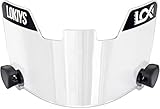
8. LOKIYS Football Visor - for Youth Football Helmets & Adult Football Helmets (Clear-Anti Fog)
Overview:
LOKIYS enters the market with an aggressively priced anti-fog visor that challenges assumptions about budget equipment. This clear visor promises UV protection, scratch resistance, and crucially, fog prevention—a feature often reserved for pricier models.
What Makes It Stand Out:
The anti-fog capability at $12.99 is genuinely remarkable, addressing a common player complaint about visors steaming up during intense play. The UV sun technology reduces glare while maintaining natural color perception, and the promise of over ten style options allows for team customization without breaking the bank.
Value for Money:
This visor dominates the value category. Anti-fog treatment alone typically commands a $5-10 premium over standard visors. When combined with polycarbonate durability and universal fit, it delivers features approaching $25 products at half the cost. For youth leagues, teams outfitting multiple players, or budget-conscious families, the savings multiply significantly.
Strengths and Weaknesses:
Strengths include exceptional anti-fog performance, unbeatable price, UV glare reduction, tool-free installation, and extensive style variety. The polycarbonate construction provides adequate protection. Weaknesses include potentially thinner material than premium brands, limited brand-specific fit verification, and the anti-fog coating’s long-term durability remains unproven. The generic branding may concern some buyers.
Bottom Line:
The LOKIYS anti-fog visor is arguably the best value in football eye protection today. Players prioritizing fog-free vision and affordability will find little reason to spend more, though those in highly competitive leagues might prefer proven brand-name durability.
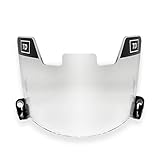
9. TD Sports Football Visor | Fits Kids, Youth, and Adult Helmets | Eye Protection for Helmet and Facemask
Overview:
TD Sports targets the serious youth and high school market with a visor that balances official approval, performance features, and aesthetic appeal. This model combines anti-fog and anti-scratch technologies with league-compliant design, making it a safe choice for organized play.
What Makes It Stand Out:
The explicit youth league approval removes guesswork for parents and coaches navigating equipment regulations. The dual anti-fog and anti-scratch coating addresses the two most common visor complaints in one package. With seven color options, players can match team colors or express individual style without sacrificing functionality.
Value for Money:
Priced at $19.99, TD Sports positions itself as a mid-tier option with premium features. The league approval adds intangible value for regulated play, while the included cleaning cloth and dual protective coatings match offerings from more expensive competitors. It costs slightly more than basic visors but provides regulatory peace of mind.
Strengths and Weaknesses:
Strengths include official league approval, anti-fog and anti-scratch combination, universal clip system, seven color choices, and included cleaning accessories. The product clearly addresses competitive players’ needs. Weaknesses include a price point that nears premium brands without established name recognition, and the anti-fog effectiveness may vary with climate conditions. Limited helmet brand specificity could create fit issues.
Bottom Line:
TD Sports is the go-to choice for players in regulated leagues needing guaranteed compliance. The anti-fog/scratch combination and color options make it practical and stylish, while league approval eliminates pre-game equipment check anxiety.
10. LOKIYS Football Visor - for Youth Football Helmets & Adult Helmets (Red)

Overview:
LOKIYS offers a vibrant red-tinted visor that prioritizes style and glare reduction for players wanting to stand out. Using the same polycarbonate foundation as their clear model, this version adds UV protection and a striking aesthetic while maintaining universal compatibility across youth and adult helmets.
What Makes It Stand Out:
The red tint provides distinctive visual appeal that helps players express personality on the field. Beyond aesthetics, the UV sun technology actively reduces glare and blind spots, potentially improving visual tracking in bright conditions. The promise of seven-plus style variations indicates a brand focused on customization, letting teams coordinate colors or individuals make bold statements.
Value for Money:
At $14.99, this colored visor remains highly competitive. Tinted visors typically command $5-8 premiums over clear versions, yet LOKIYS keeps pricing accessible. The value proposition strengthens for players wanting both protection and style without paying premium brand markups. For recreational and youth players, it delivers adequate performance with visual flair.
Strengths and Weaknesses:
Strengths include eye-catching red tint, UV glare reduction, affordable pricing, universal fit system, and quick installation. The polycarbonate material offers sufficient protection for most play levels. Weaknesses include the lack of anti-fog coating (unlike their clear model), potential league restrictions on tinted visors, and red tint may distort color perception slightly. Durability testing is less documented than major brands.
Bottom Line:
The LOKIYS red visor excels for style-conscious players in unrestricted leagues. It provides solid eye protection with visual pop at a price that encourages experimentation. Verify league tint rules before purchasing, but for practice or approved games, it delivers personality and function economically.
Why Every Player Needs a Quality Football Visor
Beyond the intimidating aesthetic, modern football visors serve critical functional purposes that directly impact performance. Eye protection ranks first—facemasks aren’t designed to stop fingers, turf pellets, or accidental pokes during pile-ups. A high-impact visor acts as a shield, reducing concussion risk from direct eye socket strikes and preventing corneal abrasions that can sideline you for weeks.
Visual performance enhancement is equally vital. Premium visors reduce glare and improve contrast, helping you track the ball against bright skies or stadium lights. They also eliminate the distraction of opponents’ hands near your face, allowing you to maintain focus through traffic. For players with light sensitivity or those recovering from eye injuries, visors aren’t optional—they’re medical necessities that require reliable, secure mounting.
The Universal Fit Challenge: What Makes a Visor Truly Compatible
The term “universal fit” gets thrown around liberally, but genuine compatibility hinges on three engineering factors: mounting point versatility, curvature tolerance, and thickness adaptability. Helmet manufacturers—Riddell, Schutt, Xenith, Vicis—use subtly different facemask geometries and hole patterns. A truly universal visor must accommodate these variations without forcing you to drill new holes or bend components.
The curvature challenge is particularly nuanced. Helmets range from aggressive, aerodynamic profiles to rounder, traditional shapes. A universal visor features a flexible “sweet zone” in its design—typically achieved through strategic cutouts and material memory that allows it to conform to different radii without creating stress points. The best designs include multiple clip mounting positions and slotted screw holes that provide 5-8mm of adjustment in all directions.
Material Science: Polycarbonate and Beyond
Impact-Grade Polycarbonate Standards
The gold standard for football visors is optical-grade polycarbonate, specifically Lexan or Makrolon variants, measuring between 2.0mm and 3.0mm thick. This material offers 250 times the impact resistance of glass while remaining lightweight. Look for visors advertising “high-impact ASTM F803 certification”—this indicates testing for projectile resistance at velocities exceeding typical football contact speeds.
Material Trade-offs to Understand
Thicker isn’t always better. While 3.0mm polycarbonate provides maximum protection, it adds weight and can reduce optical clarity at extreme angles. Premium manufacturers use 2.5mm sheets with advanced hard coatings, achieving 90% of the protection at 60% of the weight. Avoid visors made from acrylic or PETG—they’re prone to shattering on high-velocity impacts and yellow with UV exposure. Some experimental materials like Trivex are emerging, offering superior optics but at prohibitive costs for most players.
Optical Clarity: Seeing the Field Without Distortion
Understanding Visual Acuity Ratings
True optical clarity goes beyond marketing terms like “crystal clear.” Look for visors meeting ANSI Z87.1+ optical standards, which mandate less than 3 diopters of refractive power and less than 0.06mm of prism imbalance. These metrics ensure the visor won’t cause eye strain or depth perception issues during two-a-days.
Peripheral Vision Considerations
A visor that fits universally but cuts your peripheral vision is worthless. Quality designs feature a wrap angle between 15-20 degrees, matching the natural field of view. The vertical height should extend at least 100mm from the mounting point to ensure you can see the ball at your feet without tilting your head. Test this by holding the visor at arm’s length—you should be able to see your shoulders in your peripheral vision without distortion at the edges.
Anti-Fog Innovations That Actually Work
Hydrophilic Coating Technology
The most effective anti-fog treatments are hydrophilic nano-coatings that absorb moisture and spread it into an invisible film. These aren’t sprays—they’re bonded at the molecular level during manufacturing and last 12-18 months with proper care. Beware of visors claiming “permanent anti-fog” without specifying the technology; these often use surfactants that wash off after a few cleanings.
Ventilation Engineering
Passive ventilation matters as much as coatings. Look for visors with micro-vents along the top edge—typically 1.5mm holes spaced 10mm apart—that create thermal exchange without compromising impact resistance. Some advanced designs feature a 2mm standoff gap between the visor and facemask, creating a convection channel that actively moves air. This gap must be uniform; inconsistent spacing indicates poor manufacturing tolerance.
Tint Levels and UV Protection Explained
Visible Light Transmission (VLT) Breakdown
Tint selection dramatically affects performance. Clear visors (85-90% VLT) work for night games and indoor facilities. Light smoke (50-60% VLT) suits overcast days. Dark smoke (20-30% VLT) is ideal for bright sun but may be illegal in some leagues. Mirror coatings add style but reduce VLT by an additional 10-15%.
UV Blocking Standards
All quality visors should block 99.9% of UVA and UVB rays, regardless of tint. This is achieved through UV inhibitors in the polycarbonate itself, not the tint. Check for UV400 certification—this indicates blocking up to 400 nanometers, which covers the entire UV spectrum. Photochromic visors that darken in sunlight are emerging, but most still transition too slowly for football’s stop-start nature and carry premium pricing.
Scratch Resistance: Separating Marketing from Reality
Hard Coating Technologies
Manufacturers apply silicone-based hard coats measuring 3-5 microns thick that increase surface hardness to 6H on the pencil hardness scale. However, this doesn’t make visors scratch-proof. The coating primarily resists micro-abrasions from cleaning cloths and dust. Deep scratches from helmet collisions or metal facemask contact will still damage the substrate.
Realistic Durability Expectations
A well-maintained visor should last one full season of regular play. Inspect the coating by holding the visor at a 45-degree angle to light—rainbow patterns indicate coating thickness inconsistencies. Avoid visors with “self-healing” claims; these use soft polymers that attract dirt and reduce optical clarity over time. Instead, prioritize replaceability—premium brands offer discounted replacement programs for damaged visors.
Attachment Mechanisms: Clips, Screws, and Tool-Free Systems
Screw-Mounted Systems
Traditional screw mounting provides the most secure attachment but requires careful torque application. Look for visors with nylon-insert lock nuts that prevent vibration loosening. The screws should be stainless steel with T15 Torx heads—Phillips heads strip too easily under torque. Quality kits include 8-10mm screws for thick facemasks and 6mm for thin wire designs.
Quick-Release Clip Technology
Modern universal visors feature polymer clips that snap onto facemask bars without tools. The best designs use glass-filled nylon clips with stainless steel springs, providing 15-20 pounds of retention force. These should be replaceable individually—if one breaks mid-season, you shouldn’t need a whole new visor. Test clip strength by gently pulling the mounted visor; it shouldn’t detach with less than 10 pounds of force.
How to Measure Your Helmet for Guaranteed Fit
Critical Measurement Points
Before purchasing, measure three points on your facemask: the horizontal distance between mounting holes (typically 120-135mm), the vertical drop from the top bar to the bottom bar (180-200mm), and the radius of curvature of the main viewing area. Use a flexible measuring tape for the radius, tracing the facemask’s curve.
Helmet Model Reference Guide
While we can’t list specific products, know that Riddell Speedflex helmets require visors with extended top tabs due to their unique facemask geometry. Schutt F7 models need shorter vertical dimensions because of their integrated brow guard. Xenith Shadow helmets have wider hole spacing. A truly universal visor includes multiple mounting hole slots spaced 5mm apart to cover this 15mm variance across brands.
Step-by-Step Installation for Any Helmet Model
Preparation and Alignment
Start by cleaning the facemask with isopropyl alcohol to remove grip residue. Hold the visor inside the facemask and align the top holes first—this sets the vertical position. The visor should sit 5mm below the helmet’s brow bumper to prevent contact during impact. Mark the hole positions with a wax pencil before securing anything.
Torque and Tensioning
When screwing in clips, apply torque in stages: hand-tighten all screws first, then use a driver to apply 8-10 inch-pounds of torque. Over-tightening warps the visor and creates stress cracks. For clip systems, start at the center and work outward, ensuring each clip fully seats on the facemask bar with an audible click. After installation, shake the helmet vigorously—any rattling indicates insufficient tension.
Pro Maintenance Tips for Longevity
Daily Cleaning Protocol
Never use ammonia-based cleaners like Windex—they degrade anti-fog coatings. Instead, rinse with cool water to remove debris, then clean with a microfiber cloth and pH-neutral soap. Pat dry; don’t rub. For stubborn marks, use isopropyl alcohol sparingly on the exterior only. Clean the interior as little as possible—every wipe degrades the anti-fog layer.
Off-Season Storage
Store visors in a soft pouch away from direct sunlight. UV exposure degrades polycarbonate even when not in use. Never stack heavy objects on top—the visor can develop a permanent set in its curve. Inspect quarterly for stress cracks, especially around mounting holes. Hairline cracks shorter than 5mm are cosmetic; longer cracks require immediate replacement.
Navigating NFHS, NCAA, and Youth League Rules
Tint Regulations by Level
The NFHS prohibits tinted visors unless accompanied by a medical waiver signed by a licensed physician and approved by the state association. The NCAA allows tinted visors but requires them to be clear from the inside (no mirrored interiors). Youth leagues vary wildly—Pop Warner generally follows NFHS rules, while AAU tournaments may be more lenient. Always carry your visor’s certification paperwork in your equipment bag.
Mandatory Certification Marks
Look for three stamps: NOCSAE ND200 (commotio cordis protection, though primarily for chest protectors), ANSI Z87.1+ (impact rating), and the manufacturer’s date code. Visors older than five years fail most league inspections regardless of condition. Some states now require a visible “FOOTBALL USE ONLY” etching—without it, officials may remove you from the game.
Solving Common Fit Problems
Gap Issues at the Temples
If you notice a 3mm+ gap between visor and facemask at the temples, the visor’s radius is too large for your helmet. Fix this by removing the visor and gently flexing it in the opposite direction of its curve. Apply heat from a hairdryer for 30 seconds while flexing—this resets the polycarbonate’s memory. Reinstall and check for uniform contact.
Vibration and Rattling
Rattling typically occurs when the visor doesn’t match the facemask’s contour. Add adhesive-backed foam spacers (1mm thickness) between the visor and facemask at non-clip points. These dampen vibrations without affecting impact performance. If rattling persists, check that all clips are the same model—mixing clip types creates uneven pressure distribution.
Price vs. Performance: Making Smart Investment Choices
Budget Tier ($20-$35)
Entry-level visors use basic polycarbonate without premium coatings. They meet safety standards but expect 6-9 month lifespans. Anti-fog performance degrades after 20-30 cleanings. These are suitable for youth players who outgrow equipment quickly or backup helmets.
Performance Tier ($40-$65)
This sweet spot delivers 2.5mm optical-grade polycarbonate with dual-sided hard coats and bonded anti-fog. You’ll get 12-18 months of reliable use and consistent optical performance. Most universal-fit innovations exist in this tier, including multi-position clips and vented designs.
Premium Tier ($70+)
Premium visors justify costs through proprietary coatings, replacement warranties, and marginal weight reductions (10-15 grams). The optical improvement is measurable but may not translate to on-field performance gains for most players. Invest here only if you play at elite levels or have specific medical needs.
Warranty Coverage and Customer Support
What a Strong Warranty Includes
Look for 12-month warranties covering manufacturing defects and coating failures. The best programs offer pro-rated replacement for impact damage—paying 50% of retail for a replacement after a crack. Avoid warranties requiring product registration within 30 days; this is a common loophole to deny claims.
Red Flags in Fine Print
Warranties that exclude “normal wear and tear” are essentially worthless for sports equipment. Read for specific coverage of anti-fog degradation—quality brands guarantee coating performance for at least 100 cleanings. Check the return policy; you should have 30 days to test fit without restocking fees. Brands charging for warranty shipping are passing operational costs to you.
Future Trends in Visor Technology
Smart Visor Development
Emerging technologies include electrochromic tinting that adjusts in 3-5 seconds using a helmet-integrated battery. While promising, current prototypes add 40-50 grams and cost $200+. More practical innovations involve hydrophobic coatings that repel rain and sweat, maintaining clarity in downpours.
Sustainability in Manufacturing
Eco-conscious brands are experimenting with recycled polycarbonate from automotive windshields, reducing environmental impact without sacrificing impact ratings. These visors cost 10-15% more but appeal to environmentally aware programs. Look for “closed-loop recycling” programs where manufacturers accept old visors for material reclamation.
Frequently Asked Questions
Will a universal visor fit my decade-old helmet model?
Generally, yes. Helmet facemask geometry hasn’t changed dramatically in 10 years. However, helmets manufactured before 2010 may have non-standard hole spacing. Measure your mounting points—if they fall within 120-135mm horizontally, modern universal visors will fit.
How do I know if my visor is legal for Friday night games?
Check your state athletic association’s website for the current equipment bulletin. Carry a printed copy of the visor’s ANSI certification and, if tinted, your medical waiver. When in doubt, bring a clear backup visor to swap in during pre-game inspection.
Can I install a visor myself or do I need a professional?
Most players can self-install using basic tools. The key is following torque specifications and alignment steps. If your helmet has integrated facemask systems (like some youth models), professional installation at a sporting goods store ensures you don’t compromise the helmet’s warranty.
Why does my new visor already have fine scratches?
Micro-scratches often occur during manufacturing and packaging. Hold the visor at an angle to a light source—if scratches are only visible under specific angles and don’t catch a fingernail, they’re cosmetic. Deep gouges that catch a nail indicate shipping damage and warrant immediate replacement.
How often should I replace my visor?
Replace annually for players practicing 4+ times weekly. Recreational players can extend to 18-24 months if no cracks or coating delamination appear. Always replace after any impact that leaves visible damage, even if minor. The structural integrity may be compromised.
Do mirrored visors provide better sun protection than dark smoke?
Mirror coatings reflect additional visible light but don’t improve UV protection beyond the polycarbonate’s inherent blocking. They add 10-15% visible light reduction but scratch more easily and create interior glare in certain lighting. For pure sun protection, dark smoke is more practical.
Will a visor make me overheat?
Quality visors with ventilation gaps increase helmet temperature by less than 1°F. The psychological feeling of enclosure is more noticeable than actual heat. Anti-fog coatings that work by absorbing moisture can create a slight warming sensation, but it’s negligible compared to the heat from a closed-cell helmet padding.
Can I use Rain-X or other automotive products on my visor?
Absolutely not. These contain solvents that destroy anti-fog coatings and polycarbonate. They also leave residue that attracts dust. Use only pH-neutral cleaners designed specifically for coated optics. One application of automotive product permanently damages the visor’s interior.
What’s the difference between a visor and an eyeshield?
The terms are interchangeable in football. “Eyeshield” is the official term in NCAA rulebooks, while “visor” is common vernacular. Some brands use “eyeshield” to imply medical necessity products, but there’s no technical difference in construction or standards.
My visor fogs during cold games but not warm ones. Why?
This indicates your anti-fog coating is failing. Hydrophilic coatings work by absorbing moisture; in cold weather, they can’t absorb fast enough to prevent condensation droplets. If fogging is localized to the center, the coating is worn. If it’s uniform, the coating was improperly applied. Replace the visor—reapplying coatings never restores original performance.