The difference between a 15-pound base weight and a 12-pound base weight isn’t just three pounds—it’s the freedom to add that luxury item you’ve been eyeing, the flexibility to carry an extra day of food, or simply the peace of mind that comes from moving efficiently over rugged terrain. For ultralight backpackers, the sleep system represents the single greatest opportunity for meaningful weight reduction after shelter and pack selection. Yet shedding ounces from your overnight setup requires more than just buying the lightest gear available; it demands a fundamental rethinking of how we stay warm and comfortable in the backcountry.
Quilts and ultralight sleeping pads have revolutionized backcountry sleep systems, but the market is flooded with specifications that can mislead even experienced hikers. Understanding the nuanced interplay between temperature ratings, R-values, baffle construction, and fabric denier isn’t just gearhead trivia—it’s the difference between a restorative night’s sleep and a shivering, miserable experience that compromises your entire trip. This guide cuts through the marketing noise to equip you with the knowledge to build a sleep system that saves weight without sacrificing safety or comfort.
Top 10 Quilts for Ultralight Backpackers
Detailed Product Reviews
1. Ultralight Sleeping Bag Top Quilt - 850 Down Backpacking Blanket - 1.9 lbs - Rated for 20°F - Water-Resistant Camping Quilt

Overview: The Ultralight Sleeping Bag Top Quilt delivers premium 850-fill down performance in a 1.9-pound package rated to 20°F survival. Designed for solo backpackers prioritizing weight savings, this quilt eliminates the insulation underneath your body where it’s compressed and useless, instead using a top-quilt design that pairs with your sleeping pad. The result is exceptional warmth-to-weight efficiency for three-season adventures.
What Makes It Stand Out: The 850-fill power down provides superior loft and compressibility compared to synthetic alternatives. The integrated foot box creates a sealed environment for your feet while allowing natural movement. Included pad straps prevent the quilt from shifting during restless nights—a common frustration with traditional quilts. The design philosophy embraces the “top quilt” advantages: freedom of movement, reduced claustrophobia, and customizable ventilation that mummy bags can’t match.
Value for Money: At $129.95, this quilt undercuts many premium down sleeping bags by $50-100 while offering comparable warmth. The 850-fill down is typically found in quilts costing $200+, making this an exceptional value for weight-conscious hikers. You’re getting legitimate ultralight gear without the boutique brand markup.
Strengths and Weaknesses: Pros: Outstanding warmth-to-weight ratio; highly compressible; freedom of movement; foot box design; pad attachment system; less restrictive than mummy bags Cons: 20°F survival rating requires careful layering; down loses insulation when wet; not ideal for side-sleepers who move frequently; requires quality sleeping pad
Bottom Line: This quilt is a stellar choice for ultralight backpackers seeking premium down insulation without premium pricing. It excels for three-season use when paired with a good sleeping pad, offering freedom and warmth that traditional bags can’t match.
2. Two-Person Double Wide Sleeping Bag Top Quilt - 850 Down Ultralight Camping Blanket - 3.3 lbs, 30°F Rated, Water-Resistant Backpacking Quilt

Overview: This Two-Person Double Wide Sleeping Bag Top Quilt brings premium 850-down insulation to couples and backpacking partners. Weighing just 3.3 pounds total, it replaces two separate sleeping bags while fostering shared warmth. Rated to 30°F survival, it’s designed for mild three-season conditions where partners can benefit from body heat and reduced pack weight.
What Makes It Stand Out: Most double quilts sacrifice quality to cut weight, but this maintains 850-fill down for both users. The shared design eliminates redundant material between two individual bags, saving weight and cost. The foot box accommodates two pairs of feet comfortably, while pad straps keep the quilt secure across a double-wide sleeping pad setup. It’s a rare blend of premium insulation and practical couples-focused design.
Value for Money: At $149.95, this quilt costs less than many single-person down bags. For two people, you’re paying roughly $75 each for 850-fill down—an unheard-of price in the ultralight market. It eliminates the need for two separate quilts ($260+ value) while reducing total weight carried by 1-2 pounds compared to individual setups.
Strengths and Weaknesses: Pros: Exceptional value for couples; shared warmth reduces required rating; premium down at budget price; lighter than two separate bags; foot box design Cons: Requires partner cooperation; 30°F rating less versatile than solo version; one person’s movement affects both; needs wide sleeping pad or two pads
Bottom Line: Perfect for backpacking couples prioritizing shared warmth and weight savings. The value proposition is unbeatable, making it a smart investment for partners who don’t mind cozying up. Just ensure your sleeping pad setup matches the width.
3. OneTigris Featherlite Ultralight Sleeping Quilt, Weighs 35oz, Warm Hammock Topquilt 40 Degree, with Footbox, Perfect for Outback Camping, Hiking, Backpacking and Hammocks
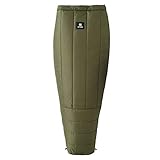
Overview: The OneTigris Featherlite Ultralight Sleeping Quilt offers a budget-friendly synthetic alternative at just $65.98. Weighing 35 ounces with a 41°F temperature rating, this quilt targets casual backpackers and hammock campers who prioritize moisture resistance over ultimate weight savings. The hollowed-back design works seamlessly with sleeping pads or hammock underquilts.
What Makes It Stand Out: Unlike down quilts that falter in damp conditions, the SEE polyester fill maintains insulation when wet and dries quickly. The convertible foot box adapts from blanket to enclosed mode, while the hammock-specific design features a hollowed back that eliminates redundant bottom insulation. At under $70, it’s one of the few legitimate backpacking quilts accessible to beginners.
Value for Money: This is entry-level pricing for a technical quilt. While heavier than down alternatives, it costs 40-50% less than comparable synthetic quilts from major brands. For hammock campers or hikers in humid climates, the synthetic fill’s reliability justifies the weight penalty. It’s an ideal “first quilt” for testing the waters without significant investment.
Strengths and Weaknesses: Pros: Extremely affordable; synthetic fill handles moisture; hammock-compatible design; versatile foot box; budget-friendly entry point Cons: Heavier than down (35oz vs 19oz); less compressible; 41°F rating limits shoulder-season use; polyester fill less durable than down
Bottom Line: A solid choice for budget-conscious campers and hammock users in mild, wet conditions. It won’t win ultralight awards, but provides reliable performance where moisture is a concern. Recommended as a starter quilt or humid-climate specialist.
4. KingCamp Ultralight Camping Blanket, Packable Down Alternative Puffy Wearable Blankets Weatherproof Warm Package Quilt with Snap Buttons for Outdoor Hiking Travel Picnic Stadium (69" x 53", Charcoal)

Overview: KingCamp’s Ultralight Camping Blanket redefines versatility with a wearable, snap-button design that functions as a blanket, shawl, and emergency sleeping bag. Weighing 1.32 pounds and measuring 69" x 53", this synthetic-down-alternative quilt prioritizes adaptability over technical performance. It’s built for car camping, picnics, and stadium use rather than serious backpacking.
What Makes It Stand Out: The snap-button system transforms the blanket into a hands-free cape, perfect for moving around campsites or staying warm at outdoor events. The water-resistant 20D nylon shell handles light rain and wind, while the hypoallergenic fill appeals to allergy sufferers. It’s a multi-tool for outdoor comfort rather than a single-purpose sleeping system.
Value for Money: At $39.99, this is impulse-buy territory. Comparable wearable blankets cost $60-80, and the water-resistant shell adds value. For casual campers who need gear that works at the beach, campsite, and backyard, the versatility justifies every penny. It’s not competing with technical quilts—it’s competing with regular blankets.
Strengths and Weaknesses: Pros: Highly versatile wearable design; water-resistant; hypoallergenic; extremely affordable; machine washable; pet-hair resistant Cons: Not a true sleeping quilt; no foot box; limited warmth for cold nights; less compressible than down; casual-use only
Bottom Line: Ideal for families and casual campers seeking a do-it-all blanket. Don’t expect backpacking performance, but for car camping and outdoor events, it’s unbeatable. The wearable feature alone makes it worth the price for chilly evenings around the fire.
5. KingCamp Ultralight Camping Blanket, Packable Down Alternative Puffy Wearable Blankets Weatherproof Warm Package Quilt with Snap Buttons for Outdoor Hiking Travel Picnic Stadium (78.7" x 56.7", BLACK)

Overview: KingCamp’s larger Ultralight Camping Blanket measures 78.7" x 56.7" and weighs just 1.19 pounds, offering couples and taller users expanded coverage. Like its smaller sibling, this synthetic-down-alternative quilt features a wearable snap-button design for hands-free warmth. It’s engineered for versatility across camping, travel, and outdoor events rather than technical backpacking.
What Makes It Stand Out: The generous dimensions comfortably fit two people while remaining lighter than a water bottle. The snap-button system allows it to function as a shared cape or individual shawls. The 305g of King Loft fill provides more insulation than the smaller version, while the water-resistant 20D ripstop nylon shell handles unexpected weather. It’s a rare blend of size, weight, and adaptability.
Value for Money: At $49.99, you’re paying $10 more for nearly 30% more coverage compared to the smaller version. For couples, this eliminates the need for two separate blankets, effectively halving the cost per person. The multi-use functionality—picnic blanket, stadium cape, emergency sleeping bag—delivers exceptional utility for the price.
Strengths and Weaknesses: Pros: Large enough for two; wearable design; water-repellent; lightweight for size; machine washable; hypoallergenic Cons: Not a technical sleeping quilt; no dedicated foot box; synthetic fill less warm than down; limited to mild conditions
Bottom Line: Perfect for couples and families wanting a versatile outdoor blanket that punches above its weight class. While unsuitable for serious backpacking, it excels for car camping, festivals, and travel. The size-to-price ratio makes it a smart buy for shared adventures.
6. Sea to Summit Ember Ultralight Down Backpacking Quilt, 45-Degree, Long

Overview: The Sea to Summit Ember Ultralight Down Backpacking Quilt is a premium warm-weather sleep system designed for serious ultralight enthusiasts. Rated to 45°F (7°C) and weighing a mere 1.14 pounds in the long size (82.7 inches), this quilt prioritizes minimal pack weight without sacrificing ethical sourcing or performance. It’s engineered for summer backpacking, bikepacking, and travel where every ounce matters.
What Makes It Stand Out: The Ember’s 850+ fill power goose down carries Responsible Down Standard certification, ensuring ethical treatment. The non-PFC Ultra-Dry Down treatment significantly improves moisture resistance, maintaining loft in damp conditions. The innovative QuiltLock system allows it to attach to compatible Sea to Summit sleeping bags for extended temperature range, while the drawcord footbox provides customizable coverage. The ultralight 10D recycled nylon shell with DWR finish balances durability and weight.
Value for Money: At $394, this is a premium investment. However, the combination of top-tier fill power, ethical certification, moisture-resistant treatment, and lifetime guarantee justifies the cost for dedicated users. Comparable quilts from other premium brands often cost more while offering less sophisticated down treatment.
Strengths and Weaknesses: Strengths include exceptional weight-to-warmth ratio, responsible sourcing, moisture resistance, and versatile layering capability. The long size accommodates taller users comfortably. Weaknesses are the high price point, 45°F temperature limitation restricting versatility, and the niche appeal—casual campers won’t appreciate the marginal weight savings.
Bottom Line: For committed ultralight backpackers who prioritize ethical materials and proven performance, the Ember is worth every penny. It’s a specialized tool that excels in its intended warm-weather role.
7. Wise Owl Outfitters Hammock Underquilt – Insulated Camping Quilt for Warm Sleeping – Fits Under Hammocks – Ultralight, Water-Resistant & Packable

Overview: The Wise Owl Outfitters Hammock Underquilt delivers synthetic insulation at an accessible price point for hammock campers. Rated to 40°F, this 1.77-pound quilt attaches beneath your hammock to eliminate cold spots from below. It’s designed for four-season versatility, though the rating suggests it’s best for three-season use.
What Makes It Stand Out: Remarkable affordability meets practical design. The 20D ripstop nylon construction with water-resistant coating withstands rugged outdoor use, while reinforced stitching ensures longevity. The customizable tighteners accommodate both single and double hammocks of various shapes, making it universally compatible. At under two pounds, it remains packable for casual backpacking.
Value for Money: At $60, this underquilt is a steal. Synthetic-filled alternatives typically cost $100-$150, while down versions start around $200. For beginners or occasional hammock campers, it provides essential bottom insulation without breaking the bank.
Strengths and Weaknesses: Strengths include incredible affordability, durable construction, universal hammock compatibility, and decent packability. The synthetic fill performs reasonably well when damp. Weaknesses include heavier weight and bulk compared to down, a potentially optimistic 40°F rating, and less compressibility for ultralight purists.
Bottom Line: This is the perfect entry-level underquilt for hammock campers testing the waters. While not the lightest or warmest option available, its price-to-performance ratio is unbeatable for recreational use and short backpacking trips.
8. Sierra Designs Nitro Quilt 20 Degree Ultralight Sleeping Bag - 800 Fill Camping & Backpacking Sleeping Bag
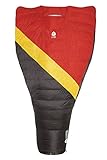
Overview: The Sierra Designs Nitro Quilt 20 Degree bridges the gap between traditional sleeping bags and modern quilts. With a legitimate 20°F EN rating and 800 fill power DriDown, it’s built for cold-weather backpackers who want quilt freedom without sacrificing warmth. The oversized design provides generous coverage for restless sleepers.
What Makes It Stand Out: EN testing provides verified performance data, rare in the quilt market. Innovative full-length insulated hand/arm pockets seal out drafts that plague traditional quilts, while the hide-away hood offers head insulation when temperatures plummet. The 15D nylon ripstop shell balances weight savings with durability.
Value for Money: At $279.95, the Nitro sits in the competitive mid-range. For a true 20°F down quilt with verified ratings and unique draft-fighting features, it undercuts many premium competitors while offering more versatility than basic quilts.
Strengths and Weaknesses: Strengths include proven EN rating, exceptional draft protection, versatile hood design, and quality DriDown insulation. The oversized cut enhances comfort. Weaknesses include being heavier than minimalist quilts, the hood adding complexity some users may not need, and a price that still requires serious commitment.
Bottom Line: Cold-weather backpackers seeking quilt versatility with sleeping bag security will find the Nitro compelling. Its verified ratings and innovative features make it a reliable choice for sub-freezing adventures.
9. Featherstone Moondance 25 850 Fill Power Down Top Quilt Mummy Sleeping Bag Alternative for Ultralight Backpacking Camping and Thru-Hiking Color: Navy/Marigold Size: Regular/Regular

Overview: The Featherstone Moondance 25 is a versatile top quilt featuring 850 fill power down that rivals sleeping bag warmth while offering blanket-like flexibility. ISO tested to a 20°F T-Limit, it serves as a sleeping bag alternative, hammock top quilt, or underquilt. The regular size suits most backpackers seeking ultralight performance.
What Makes It Stand Out: Exceptional 850 fill power duck down with PFC-free water repellent treatment delivers premium loft and ethical moisture resistance. The included compression sack and pad straps create a complete sleep system. Backed by a US-based lifetime warranty, it offers peace of mind uncommon at this price point.
Value for Money: At $249.99, this quilt disrupts the market. Competing 850-fill quilts with verified ratings typically cost $350-$450. The inclusion of accessories and lifetime warranty makes it an exceptional value for performance-focused buyers.
Strengths and Weaknesses: Strengths include outstanding fill power, verified ISO rating, PFC-free treatment, lifetime warranty, and multi-use versatility. The navy/marigold colorway is distinctive. Weaknesses include duck down (some prefer goose) and the newer brand having less field-proven reputation than established competitors. Regular size may not suit tall users.
Bottom Line: Ultralight enthusiasts seeking maximum warmth-to-weight ratio without premium pricing should strongly consider the Moondance. It delivers near-top-tier specs with budget-friendly pricing and a warranty that inspires confidence.
10. GEERTOP Ultralight Double Hammock Underquilt Full Length Warm Camping Quilt All Season for Outdoor Backpacking Hiking Travel
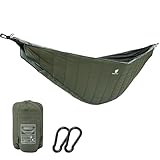
Overview: The GEERTOP Ultralight Double Hammock Underquilt targets budget-conscious campers wanting four-season hammock insulation. With dimensions of 98.4" x 67", it fully wraps double hammocks. The 41°F–68°F temperature range suggests three-season use rather than true winter capability, despite marketing claims.
What Makes It Stand Out: Unbeatable price and generous size make this accessible for casual users. The 40D 380T waterproof nylon shell with polyester pongee lining provides decent weather protection. Pre-installed elastic straps enable tool-free setup in seconds, a major convenience factor for car campers who value simplicity over technical performance.
Value for Money: At $39.94, it’s among the cheapest underquilts available. While synthetic insulation and 3.6-pound weight limit backpacking appeal, it offers solid value for front-country camping and festival use where weight is irrelevant and cost matters most.
Strengths and Weaknesses: Strengths include incredible affordability, large coverage area, waterproof shell, and foolproof setup. It effectively blocks wind and provides noticeable warmth for mild conditions. Weaknesses include heavy weight (3.6 lbs), bulky packed size, vague temperature rating, and synthetic fill that lacks down’s longevity and compressibility. It’s unsuitable for ultralight backpacking or serious cold weather.
Bottom Line: This is a car-camping specialist, not a backcountry tool. For occasional hammock users prioritizing cost and convenience over weight, it delivers adequate performance. Serious backpackers should invest more for lighter, more compressible options.
Understanding the Ultralight Sleep System Philosophy
Why Every Ounce Matters on the Trail
Ultralight backpacking operates on a simple principle: every item you carry must justify its weight through function or necessity. Your sleep system—typically comprising a quilt or sleeping bag and a sleeping pad—often accounts for 3-5 pounds of your base weight. This represents a critical optimization point. Unlike your pack or shelter, where durability and weather protection create non-negotiable weight floors, sleep systems offer genuine flexibility for weight reduction through intelligent design choices.
The physics is straightforward: insulation works by trapping dead air, not by creating warmth. Traditional sleeping bags waste material and weight by insulating the underside of your body, where compression eliminates loft and thermal efficiency. Quilts eliminate this dead weight entirely, focusing insulation where it actually works. Similarly, modern sleeping pad construction achieves higher R-values with less material through advanced baffle geometries and material science. Understanding these fundamentals allows you to make informed decisions rather than simply chasing the lowest advertised weight.
The Quilt vs. Sleeping Bag Debate: Breaking Down the Weight Savings
The quilt-versus-bag conversation extends beyond simple weight comparisons. A top-tier ultralight quilt saves 8-16 ounces over its sleeping bag counterpart, but the real advantage lies in versatility and packability. Quilts eliminate the zipper (1-3 ounces), hood (2-4 ounces), and underside insulation (4-8 ounces) that contribute nothing to warmth while adding failure points and bulk.
However, quilts demand more from the user. They require practice to seal drafts effectively and assume you’re using an appropriately insulated sleeping pad. The learning curve is real, but mastery yields a more adaptable system. A quilt can be fully opened like a blanket on warm nights or cinched tight for cold conditions—a flexibility traditional bags can’t match. This adaptability means one quilt can cover a broader temperature range, potentially replacing two specialized sleeping bags in your kit.
Decoding Quilt Specifications for Weight Conscious Hikers
Temperature Ratings: What Those Numbers Really Mean
The EN/ISO temperature rating system standardized sleeping bag testing, but quilts exist in a regulatory gray area. Most quilt manufacturers use “comfort” and “limit” ratings derived from bag testing protocols, but these numbers require interpretation. A 20°F-rated quilt assumes you’re wearing base layers, using an insulated pad with adequate R-value, and have mastered draft management.
For ultralight hikers, the critical metric is the “lower limit” rating—the temperature at which a warm sleeper remains comfortable. Add 10-15°F to this number for cold sleepers or high-altitude conditions where metabolism slows. The most reliable manufacturers provide “fill weight” alongside ratings, allowing you to calculate loft per square foot. A quality 20°F quilt typically contains 12-14 ounces of 850+ fill power down. If a manufacturer claims a 20°F rating with only 10 ounces of down, skepticism is warranted.
Fill Power and Fill Weight: The Delicate Balance
Fill power measures down’s loft efficiency—how many cubic inches one ounce occupies. Higher fill power (850-1000) means more warmth per ounce, but this specification alone doesn’t determine a quilt’s performance. Fill weight, the total ounces of insulation used, combined with fill power determines absolute warmth.
The weight-conscious hiker must balance these variables. A 950-fill-power quilt with 12 ounces of down provides similar warmth to an 850-fill version with 14 ounces, but saves 2 ounces of total weight. However, the cost increase is often 30-50%. More importantly, higher fill power down is more susceptible to moisture and compression damage. For thru-hikers in humid environments, the durability trade-off may favor slightly lower fill power with higher fill weight, as the weight penalty is minimal compared to the risk of insulation degradation.
Baffle Construction: Box, Sewn-Through, and Continuous
Baffle design directly impacts thermal efficiency and weight. Sewn-through construction, where top and bottom fabrics are stitched directly together, creates cold spots along seams and suits only warm-weather quilts (40°F+). Box baffles, where internal walls create three-dimensional chambers, maximize loft but add 1-2 ounces of fabric weight.
Continuous baffles represent the ultralight sweet spot—insulation can shift along the length of the quilt, allowing you to move down toward the footbox for cold nights or distribute it evenly for mild conditions. This versatility adds zero weight but requires user knowledge. Vertical baffles prevent down migration better than horizontal designs but limit adjustability. For weight savers, horizontal continuous baffles with a few well-placed closed compartments offer the best compromise.
Footbox Designs: Flat, Trapezoidal, and Adjustable
The footbox determines how effectively your quilt seals at the critical lower opening. Flat footboxes save weight but create a pinch point that compresses insulation. Trapezoidal designs add 0.5-1 ounce but maintain loft while accommodating natural foot position. For true ultralight versatility, a drawcord-closed footbox allows the quilt to open completely into a blanket, saving you from needing a separate summer quilt.
Consider your sleeping style. Side sleepers who tuck their knees benefit from wider footboxes that don’t constrict movement. Back sleepers can opt for narrower, lighter designs. Some manufacturers offer “draft collars” at the footbox opening—worth the 0.3-ounce weight penalty for temperatures below freezing.
Shell Fabric Considerations: DWR, Denier, and Breathability
The fabric protecting your insulation presents a classic ultralight dilemma. Premium quilts use 7-10 denier (D) nylon shells weighing 0.7-1.0 oz/yd², saving 2-3 ounces over standard 20D fabrics. However, these featherweight shells sacrifice durability and water resistance.
DWR (durable water repellent) coatings add 0.1-0.2 ounces but provide crucial moisture protection in condensation-prone tents. More important than DWR is breathability—non-breathable shells trap moisture from your body, gradually wetting the down and reducing loft. Look for fabrics with moisture vapor transmission rates (MVTR) above 5,000 g/m²/24hr. The weight penalty of a slightly heavier, more breathable shell often pays dividends in maintained loft over a multi-day trip.
Sleeping Pad Deep Dive: More Than Just a Cushion
R-Value Standards and Real-World Thermal Needs
The ASTM R-value standard finally brought consistency to pad testing, measuring thermal resistance from R-1 (minimal insulation) to R-7+ (winter-ready). For ultralight three-season backpacking, R-2 to R-3 represents the efficiency sweet spot—adequate for ground temperatures down to freezing while minimizing weight.
Your pad’s R-value must complement your quilt’s rating. A 20°F quilt paired with an R-2 pad creates a system failure point: cold ground will conduct heat away faster than the quilt can retain it. The formula is additive but not linear—multiply your pad’s R-value by 10 to estimate the minimum ground temperature (°F) it can insulate against. An R-2.5 pad handles ground down to 25°F, making it the perfect partner for a 20°F quilt.
Don’t overshoot unnecessarily. An R-5 winter pad adds 8-12 ounces over a quality R-2.5 model but provides no additional warmth when the ground is 50°F. Seasonal pad swapping offers better weight efficiency than carrying one overbuilt pad year-round.
Pad Construction Types: Air, Foam, and Hybrid Systems
Air pads dominate ultralight kits, with premium models weighing 8-12 ounces for R-2.5 insulation. Their packed volume is minuscule, but they require inflation and risk punctures. Look for “thermal mirror” or reflective baffle designs that boost R-value without adding weight. Ultralight air pads use 20D fabrics, balancing durability and weight.
Closed-cell foam pads (CCF) weigh 10-14 ounces for R-2 but offer infinite durability and zero setup time. The real weight savings come from using a torso-length CCF pad (6-8 ounces) combined with your pack under your legs—a strategy that sacrifices some comfort but saves 4-6 ounces.
Hybrid systems pair a thin CCF pad (R-1, 3-4 ounces) with a minimal air pad (R-1.5, 6-8 ounces), creating redundancy and allowing you to leave the air pad behind on warm trips. This modular approach epitomizes ultralight thinking: carry only what the conditions demand.
Shape Optimization: Mummy, Rectangular, and Tapered Profiles
Pad shape directly impacts weight and thermal efficiency. Mummy-shaped pads match quilt dimensions, eliminating wasted material and saving 2-3 ounces over rectangular designs. However, they restrict movement—active sleepers may find themselves sliding off the tapered edges.
Rectangular pads provide versatility for side sleeping and can double as frame stays in ultralight packs, but the weight penalty is real. The emerging “tapered rectangular” shape offers a compromise: full width at shoulders, tapering to 60% width at the feet, saving 1-2 ounces while maintaining sleep freedom.
Consider your shoulder width. Pads narrower than 20 inches force your arms onto cold ground. The ultralight standard of 20-25 inches balances weight and coverage. Some manufacturers offer “wide” versions at 25-30 inches for only 1-2 ounce penalties—worthwhile for broader hikers or those using quilts with minimal attachment systems.
Integrating Your Quilt and Pad: The Complete System
Sealing the Drafts: Attachment Systems and Techniques
A quilt is only as warm as its draft management. Pad attachment systems add 0.5-1 ounce but prevent cold air infiltration along the sides. The most effective designs use elastic cords with mini-carabiners or toggles that connect to loops on your pad. Avoid pad straps that go completely underneath—they add unnecessary weight and can compress pad baffles.
Practice your setup. A properly attached quilt should have 1-2 inches of overlap with your pad on each side when you’re lying in your typical position. The neck closure should seal completely without constricting breathing. Some quilts feature snap or magnet closures at the neckline—these add 0.2 ounces but create a more reliable seal than simple drawcords.
For true weight minimalists, learning to “tuck” the quilt edges under your body eliminates the need for attachment systems entirely, saving that half-ounce. This technique requires a wider pad (25 inches) and consistent sleeping position but represents the purest form of ultralight efficiency.
Layering Strategies for Extended Temperature Ranges
Extending your sleep system’s range without adding a second quilt exemplifies ultralight adaptability. A 30°F quilt paired with a 2-ounce silk liner and worn insulation (puffy jacket, leggings) can reach 20°F comfortably. This “wear your insulation to bed” philosophy saves pounds in your pack.
Your sleeping pad plays a crucial role here. Adding a 3-ounce, R-1 foam pad on top of your R-2.5 air pad boosts the system to R-3.5, extending comfort by 10-15°F for minimal weight. This modular approach beats carrying a heavier quilt “just in case.”
Consider your clothing system’s sleep compatibility. A hoodless puffy pairs perfectly with a quilt’s neck closure. Zippered leggings allow venting without exiting the quilt. These intentional clothing choices create synergy with your sleep system, multiplying weight savings across your entire kit.
Insulation Materials: Down vs. Synthetic for Ultralight
Ethical Down Sourcing and Responsible Standards
The down vs. synthetic debate extends beyond performance to ethics and sustainability. Responsible Down Standard (RDS) and Global Traceable Down Standard (TDS) ensure down isn’t sourced from live-plucked birds. These certifications add minimal cost but provide crucial peace of mind.
From a weight perspective, down’s superior warmth-to-weight ratio is undisputed—850-fill down provides roughly three times the insulation per ounce as the best synthetic alternatives. However, down’s Achilles’ heel is moisture. In consistently humid environments like the Pacific Northwest or Appalachian Trail in summer, down can lose 30-50% of its loft from ambient moisture alone.
For ultralight hikers, hydrophobic down treatments offer a middle ground. These polymer coatings add 0.1-0.2 ounces to total quilt weight but maintain loft in damp conditions far better than untreated down. The treatment lasts 20-30 washes before degrading—sufficient for several thru-hikes.
Next-Gen Synthetics: When to Choose Water Resistance
Synthetic insulation has evolved beyond bulky, heavy polyester. Climashield Apex and Primaloft Gold Active provide warmth-to-weight ratios approaching 600-fill down, with superior wet-weather performance and faster drying times. A synthetic quilt rated to 30°F weighs 18-22 ounces compared to 14-18 ounces for a comparable down quilt—that 4-6 ounce penalty may be worthwhile for desert hikers dealing with nighttime condensation or anyone expecting regular rain.
The real weight advantage of synthetics emerges in multi-week trips without resupply opportunities. Down requires careful moisture management: daily sunning, waterproof stuff sacks, and vigilance. Synthetics forgive mistakes. For the ultralight hiker who values reliability over absolute minimal weight, a premium synthetic quilt paired with a 15-ounce air pad creates a bombproof system that performs identically on day one and day thirty.
The Durability Equation: Ultralight Without Compromise
Material Lifespan and Field Repairability
Ultralight gear demands greater care, but shouldn’t sacrifice trip-ending durability. A 7D quilt shell saves 2 ounces but punctures on the first errant stick, while a 20D shell adds negligible weight and survives years of abuse. The ultralight sweet spot lies in 10-15D fabrics with reinforced footboxes and high-wear areas.
Sleeping pads present similar trade-offs. 20D pad bottoms develop pinhole leaks on rough ground. Carry a 1-ounce repair kit, but also practice site selection religiously. The weight saved by a delicate pad is immediately negated if you must carry a backup. Some ultralight hikers opt for “pad sleeves”—0.5-ounce tyvek envelopes that protect air pads from punctures without the weight penalty of built-in durability.
Consider repairability. Quilts with simple box baffles allow you to add down in the field if loft degrades. Pads with field-replaceable valves extend lifespan beyond the typical 2-3 year service life. These design features add zero weight but prevent gear retirement, ultimately saving money and waste.
Economics of Ultralight: Cost-Per-Ounce Strategy
Ultralight gear commands premium prices, but the cost-per-ounce savings often justify the investment. A $400 quilt that saves 12 ounces over a $200 sleeping bag costs $16.67 per ounce saved—reasonable when you consider that each ounce removed from your base weight reduces calorie burn by approximately 1-2% daily.
Budget-conscious ultralighters should prioritize high-impact items first. Your quilt and pad together represent potential savings of 1-2 pounds. Spending $600 to save this weight costs $18.75 per ounce—far less than the $30-50 per ounce typical for premium packs or shelters.
Consider resale value. Quality ultralight quilts from reputable makers retain 60-70% of their value after a season of use. Mass-market gear depreciates to 20-30%. The true cost of ownership over three years often favors premium ultralight equipment when you factor in longevity and resale potential.
The MYOG Frontier: Custom Weight Savings
Making Your Own Gear (MYOG) represents the ultimate expression of ultralight philosophy. A DIY quilt using 850-fill down and 10D fabric weighs 12-14 ounces for a 20°F rating at a materials cost of $150-200—half the price of commercial alternatives. The learning curve is steep but rewarded with perfect customization.
Sleeping pads resist DIY approaches due to complex welding, but creative MYOGers have succeeded in creating torso-length hybrid pads using foam and carefully sealed air chambers. More practical is creating custom pad covers with integrated attachment points, saving 0.5-1 ounce over aftermarket solutions.
The true weight savings in MYOG comes from eliminating features you don’t need. Commercial quilts include margin for broad user bases—MYOG allows you to build to your exact height, shoulder width, and temperature needs, often saving 2-4 ounces through precise sizing alone.
Seasonal System Tuning: From Desert to Alpine
Summer Configurations: Minimalism Redefined
Summer conditions (nights above 50°F) allow radical weight reduction. A 40-50°F quilt weighs 10-14 ounces, and a torso-length foam pad (R-1.5) adds only 6 ounces. Combined system weight under 1.5 pounds is achievable. The key is selecting breathable shell fabrics and minimal attachment systems that prevent overheating.
Desert hikers face unique challenges: nighttime temperatures may drop 40°F from daytime highs, but humidity is near zero. Down performs exceptionally well here, and you can safely use the lightest shell fabrics. Consider a quilt with a removable footbox—fully opened, it becomes a 7-ounce summer blanket; cinched closed, it handles 45°F nights.
Winter Ultralight: Pushing the Boundaries
Winter ultralight (sub-zero conditions) demands system thinking. A 0°F quilt (24-28 ounces) paired with a double-pad system (R-5+ total) keeps base weight reasonable while ensuring safety margins. The trick is using a 3/4-length inflatable (R-4, 14 ounces) plus a full-length CCF pad (R-2, 10 ounces). This redundancy means a puncture doesn’t end your trip.
Quilt design becomes critical in winter. Vertical baffles prevent down shift that creates cold spots. Draft collars at both neck and shoulders add 1 ounce but seal warmth effectively. Some ultralighters switch to sleeping bags below 10°F, as the zipper and hood weight becomes justified by the severe consequences of heat loss.
Pitfalls to Avoid: Weight Traps and False Economies
The ultralight journey is littered with mistakes that add pounds while promising savings. The most common is undersizing your sleep system—a 30°F quilt used at 25°F forces you to carry extra clothing layers that collectively weigh more than a properly rated 20°F quilt would have.
Another trap is the “lightest at any cost” mentality. A 7-ounce air pad saves weight until it punctures on night three. A 10-ounce pad with a slightly heavier, more durable bottom fabric prevents the 8-ounce backup pad you might otherwise carry. Always calculate “effective weight”—the weight you actually end up carrying, including redundancies and emergency gear necessitated by overly fragile choices.
Finally, beware of incomplete specifications. Manufacturers who don’t disclose fill weight, fabric denier, or R-value testing standards often hide inferior designs. A quilt that seems miraculously light may simply be skimping on insulation, relying on optimistic temperature ratings to sell underperforming gear.
Care, Storage, and Repair for Longevity
Proper maintenance extends gear life and maintains performance. Never store quilts compressed—use the included cotton storage sack to maintain loft. Air pads should be stored partially inflated with the valve open to prevent internal lamination failure.
Wash quilts only when necessary (every 100-200 nights of use). Use front-loading machines only, with specialized down soap, and dry with tennis balls on low heat for 3-4 hours. Each wash slightly degrades DWR and down oils, so spot-clean when possible.
Field repairs define successful ultralight trips. Carry 0.2 ounces of Tenacious Tape for shell repairs and a dedicated pad patch kit. Learn to identify down leaks—small feathers poking through indicate a hole requiring immediate patching to prevent significant fill loss. For air pads, always locate leaks by submerging in water; audible hissing is unreliable for pinhole leaks.
Frequently Asked Questions
How much weight can I realistically save by switching from a sleeping bag to a quilt?
Most backpackers save 12-20 ounces when moving from a comparable sleeping bag to a quilt. The savings come from eliminating the zipper, hood, and underside insulation that gets compressed anyway. However, you must factor in the attachment system weight (0.5-1 ounce) and the potentially higher R-value pad you might need. Real-world net savings typically range from 10-16 ounces for a complete system.
What’s the minimum R-value I need for three-season backpacking?
For ground temperatures down to freezing, an R-value of 2.5-3.0 provides adequate insulation. The key is understanding your local terrain. Rocky, mineral soil conducts cold more efficiently than forest duff. If you frequently camp on snow or frozen ground, bump up to R-4. Summer-only hikers can get by with R-1.5-2.0, saving 4-6 ounces in pad weight.
Can I use a quilt in winter, or do I need a sleeping bag?
Quilts work in winter down to approximately 0°F with proper technique. Below that, the complexity of sealing drafts and the severe consequences of heat loss often justify a sleeping bag’s weight. For winter ultralight, pair a 0°F quilt with a high R-value pad system and wear insulated clothing to bed. The quilt’s versatility for venting during active nights actually provides an advantage over bags in near-zero conditions.
How do I prevent drafts when using a quilt?
Master the attachment system first—elastic cords should create tension without pulling the quilt edges off your shoulders. Sleep in a position that naturally seals the edges: side sleepers can tuck knees and elbows to create a sealed pocket. Use the neck closure effectively; it should be snug enough to prevent heat escape but not so tight it restricts movement. Practice at home before your trip.
Is hydrophobic down worth the weight and cost penalty?
For most hikers, yes. The treatment adds 0.1-0.2 ounces to total quilt weight and typically costs $30-50 more. In humid environments or on trips longer than a week without drying opportunities, hydrophobic down maintains loft significantly better. The weight penalty is negligible compared to the safety margin it provides. However, it doesn’t make down waterproof—you still need diligent moisture management.
What’s the lifespan difference between down and synthetic quilts?
Quality down quilts last 10-15 years with proper care, while synthetics degrade noticeably after 5-7 years of regular use. Down’s lifespan advantage comes from its resilience to compression—synthetic fibers permanently mat down over time. For thru-hikers completing a 5-6 month trail annually, a synthetic quilt might need replacement every two years, while down could last three to four seasons.
Can I repair a punctured air pad in the field?
Absolutely, and you should always carry a repair kit. Clean the area thoroughly with an alcohol wipe, apply adhesive from the repair kit, and place the patch. For pinhole leaks, Tenacious Tape works as an emergency fix. The key is locating the leak—submerge the inflated pad in a stream or lake and watch for bubbles. Always test your repair by inflating and waiting 30 minutes before bedtime.
How do I know if my pad’s R-value is sufficient for my quilt?
Use the 10x rule: multiply your pad’s R-value by 10 to estimate the minimum ground temperature (°F) it insulates against. An R-2.5 pad handles ground down to 25°F. If your quilt is rated to 20°F, you’re well-matched. If ground temperatures will be colder than your pad’s capacity, add a foam pad layer. Never rely on your quilt to compensate for an inadequate pad—the ground conducts cold far more efficiently than air.
What’s the best way to pack my quilt and pad for minimal volume?
Pack your quilt in a waterproof stuff sack at the bottom of your pack, compressed just enough to remove excess air—over-compression reduces loft over time. For air pads, deflate completely but don’t roll them; fold them in thirds lengthwise then roll loosely to prevent internal delamination. Store the pad in an exterior pocket or strap it to the top of your pack to avoid puncturing it with pack contents.
Are torso-length pads really comfortable, or is that just ultralight dogma?
Torso-length pads work surprisingly well for back and stomach sleepers who naturally elevate their legs. Your pack (with soft items inside) or spare clothing provides adequate insulation for your lower legs in most conditions. Side sleepers often struggle with leg drop-off and cold knees. Try a torso pad at home first—if you can sleep comfortably with your legs elevated on a pillow, you’ll adapt quickly. If not, the 4-ounce weight savings isn’t worth the sleep quality sacrifice.