That satisfying post-run high can quickly fade when muscle tightness and soreness set in. You’ve tried static stretching, ice baths, and traditional foam rolling, yet that deep-seated tension in your quads, calves, and IT bands persists. Enter the vibrating foam roller—a game-changing recovery tool that’s revolutionizing how runners treat their hard-working muscles. By combining the pressure-based myofascial release of conventional foam rollers with targeted vibration therapy, these devices promise to accelerate recovery, reduce delayed onset muscle soreness (DOMS), and improve flexibility more efficiently than their non-vibrating counterparts. But with a dizzying array of specifications, features, and price points flooding the market, how do you separate genuine innovation from marketing hype? This comprehensive guide cuts through the noise to equip you with everything you need to know about selecting and using a vibrating foam roller for optimal post-run recovery.
Top 10 Vibrating Foam Rollers for Post-Run Recovery
Detailed Product Reviews
1. LifePro 4 Speed Vibrating Foam Roller for Physical Therapy & Exercise - High-Intensity Vibrating Roller for Muscle Recovery & Pliability Training - Back Roller for Deep & Gentle Trigger Point Therapy
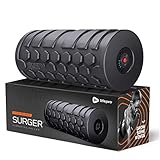
Overview: The LifePro 4 Speed Vibrating Foam Roller positions itself as a premium recovery tool designed for serious athletes and fitness enthusiasts. This high-intensity vibrating roller combines traditional foam rolling with targeted vibration therapy to enhance muscle pliability, accelerate recovery, and improve overall mobility before and after workouts. Its high-density construction and powerful motor deliver deep penetration for effective trigger point therapy.
What Makes It Stand Out: The LifePro roller’s four distinct vibration frequencies deliver high-penetration relief that reaches deeper muscle layers than standard rollers. Its high-density construction maintains structural integrity under pressure, while the included drawstring bag enhances portability for gym-goers and travelers. The product emphasizes performance enhancement and injury prevention rather than just basic massage, making it a training tool rather than a simple recovery device.
Value for Money: At $99.99, this roller sits at the premium end of the market. The price is justified by its robust motor and focus on athletic performance, though similar features can be found in slightly cheaper alternatives. For dedicated athletes who prioritize muscle pliability and recovery, the investment makes sense, but casual users might find better value elsewhere. The brand’s reputation for durability adds confidence to the purchase.
Strengths and Weaknesses: Strengths include powerful vibration motor, high-density durable foam, portable design with carrying bag, and clear performance focus. Weaknesses are limited to four speed settings when competitors offer five, premium pricing may deter budget-conscious buyers, and it’s heavier than travel-focused alternatives. The motor’s potency may be too intense for vibration therapy beginners.
Bottom Line: Ideal for serious athletes seeking professional-grade recovery tools. The LifePro roller delivers potent vibration therapy and durable construction, making it worth the premium for those who train intensely and prioritize injury prevention.
2. FITINDEX Vibrating Foam Roller for Back Pain, FSA&HSA Eligible, 5-Speed Muscle Massage, Exercise, Muscles Deep Tissue, Physical Therapy, Pilates, Yoga, Neck, Leg, Rechargeable, Travel Portable Gray

Overview: The FITINDEX Vibrating Foam Roller offers a versatile 5-speed massage solution that combines pressure and vibration therapy for comprehensive muscle care. Eligible for FSA/HSA spending, this compact roller targets multiple muscle groups with its innovative 3-in-1 density design, making it suitable for everything from yoga to intense weightlifting recovery. At 11.4x4.7 inches and 3lbs, it’s designed for true portability.
What Makes It Stand Out: The three distinct density wave patterns (high, medium, low) set this roller apart, allowing users to target different muscle groups with appropriate pressure. The FSA/HSA eligibility is a significant advantage for those with healthcare accounts. With speeds ranging from 1500-3200RPM and USB-C charging, it blends modern convenience with therapeutic functionality. The compact size makes it gym-bag friendly without sacrificing effectiveness.
Value for Money: Priced at $89.99, this roller offers excellent value given its unique density zones and healthcare account eligibility. The 5-speed range and 2-hour battery life per charge make it competitive with pricier models. For users seeking versatility without top-tier pricing, it hits a sweet spot between features and affordability. The ability to use pre-tax healthcare dollars effectively reduces the cost for many buyers.
Strengths and Weaknesses: Strengths include 3-in-1 density design, FSA/HSA eligibility, USB-C fast charging, lightweight portability, and five vibration intensities. Weaknesses include shorter battery life than some competitors, lower maximum RPM than premium models, and foam may compress over time with heavy use. The smaller diameter may not suit users preferring larger rollers.
Bottom Line: A top choice for versatility and value. The FITINDEX roller excels for users wanting customized pressure zones and healthcare account eligibility, making it perfect for regular exercisers and physical therapy patients alike.
3. PURSONIC Vibrating Foam Roller – Deep Tissue Massage for Muscle Recovery – 5 Intensity Levels, USB Rechargeable, Durable & Lightweight Design

Overview: The PURSONIC Vibrating Foam Roller delivers budget-friendly vibration therapy without sacrificing core functionality. At just $36.99, this compact roller provides five adjustable intensity levels for deep tissue massage, making it an accessible entry point for users new to vibration recovery or those seeking an affordable secondary tool for travel. Measuring 12.4" x 3.75", it balances portability with effective muscle coverage.
What Makes It Stand Out: Its aggressive pricing combined with five intensity levels challenges the notion that effective vibration therapy requires a premium investment. The durable ABS plastic core and high-density foam construction provide surprising durability for the price point. While lacking brand recognition, it delivers the essential features users need: multiple vibration modes, USB rechargeability, and compact design suitable for home, gym, or travel use.
Value for Money: Exceptional value. This is among the most affordable vibrating rollers with legitimate performance capabilities. While it lacks advanced features like density zones or extended battery life, it delivers the essential vibration therapy experience at less than half the cost of premium competitors. Perfect for budget-conscious buyers or as a backup roller. The cost-to-feature ratio makes it nearly impossible to beat for entry-level users.
Strengths and Weaknesses: Strengths include unbeatable price point, five vibration modes, compact portability, durable construction, and USB rechargeability. Weaknesses include unknown brand reputation, potentially shorter motor lifespan, basic foam quality compared to premium models, and lack of carrying case or accessories. Documentation and customer support may be limited.
Bottom Line: An outstanding budget option that doesn’t compromise on core vibration functionality. The PURSONIC roller is perfect for beginners, casual exercisers, or anyone wanting vibration therapy benefits without the steep investment.
4. LTHTRADE Vibrating Foam Roller, High Density Massage Muscle Roller Back Roller Foam for Back Pain Relief & Muscle Recovery and Physical Therapy, 5-Speed Rechargeable Exercise Roller, 2 Modes

Overview: The LTHTRADE Vibrating Foam Roller emphasizes extended performance with its impressive 4000mAh battery, offering 4-8 hours of continuous use per charge. With five vibration intensity levels plus a variable speed mode ranging from 800-3600RPM, this roller targets users who prioritize long battery life and wide intensity range for comprehensive warm-up and recovery routines. Its high-density foam construction supports consistent use across various training environments.
What Makes It Stand Out: The exceptional battery capacity and runtime far exceed most competitors, eliminating frequent charging concerns. The broad RPM range (800-3600) provides both gentle warm-up and deep tissue recovery options. The variable speed mode adds versatility for users who want oscillating intensity patterns. This roller is built for heavy, frequent use without the downtime of constant recharging.
Value for Money: At $69.99, this roller offers strong value, particularly for frequent users who benefit from extended battery life. The performance rivals more expensive models, though the brand lacks the recognition of established competitors. For heavy users tired of constant recharging, the premium on battery capacity is worthwhile. It bridges the gap between budget and premium segments effectively.
Strengths and Weaknesses: Strengths include industry-leading battery life, wide RPM range, variable speed mode, USB charging convenience, and portability. Weaknesses include lesser-known brand reputation, potentially longer charging time (5 hours), and bulkier design than ultra-portable options. Marketing materials could provide more detail on foam density and durability testing.
Bottom Line: Perfect for dedicated athletes and frequent users who value extended battery performance. The LTHTRADE roller eliminates charging anxiety while delivering versatile vibration therapy, making it a smart mid-range investment.
5. Vibrating Foam Roller - 4 Vibration Levels - Rechargeable - Trigger Point Therapy, Deep Tissue Massage, Muscle Recovery, Back Roller and Muscle Massager - Large, Black

Overview: This no-frills Vibrating Foam Roller delivers basic vibration therapy at an entry-level price point of $37.99. With four vibration levels including a unique wave pattern, it provides fundamental muscle recovery and trigger point relief for budget-conscious users seeking simple, effective treatment without complex features or premium branding. The large size accommodates broad muscle groups across the back, legs, and shoulders.
What Makes It Stand Out: The wave pattern vibration mode offers a distinct rhythmic massage experience not commonly found in budget rollers. Its large size and straightforward design focus on core functionality rather than bells and whistles. The inclusion of a quick start guide and user manual suggests better support than typical generic brands. This roller prioritizes essential performance over brand prestige or advanced specifications.
Value for Money: Very good value for those prioritizing basic functionality over advanced features. While specifications are less detailed than competitors, the price matches the PURSONIC model as one of the most affordable options. The wave pattern adds unique value, though lack of brand transparency may concern some buyers. It competes directly in the budget segment while offering a distinctive massage mode.
Strengths and Weaknesses: Strengths include affordable pricing, wave pattern vibration mode, large size for broad muscle groups, simple operation, and complete accessory package. Weaknesses include vague brand identity, unspecified battery life and charging specs, unknown durability, and limited speed options compared to five-speed competitors. Construction materials and motor longevity are uncertain.
Bottom Line: A solid ultra-budget choice for users wanting basic vibration therapy with a unique wave pattern feature. Best for beginners or as a secondary roller, though brand ambiguity requires accepting some uncertainty in exchange for affordability.
6. NHO Vibrating Massage Ball, Vibrating Foam Roller for Muscle Pain Relief, 4-Speed Myofascial Release Ball for Trigger Point Therapy, Deep Tissue Foot for Plantar Fasciitis, Neck, Shoulder

Overview: The NHO Vibrating Massage Ball reimagines targeted muscle relief with its innovative corn-shaped design and four-speed vibration therapy. This compact tool delivers deep tissue massage for trigger points, making it especially effective for plantar fasciitis, neck tension, and shoulder knots. The 900-3000 RPM range offers customizable intensity in a portable, handheld package that fits easily in any gym bag or desk drawer.
What Makes It Stand Out: The unique corn-shaped silhouette prevents rolling during use—a common frustration with traditional massage balls—while the fourth pulsating rhythm mode provides alternating stimulation for enhanced recovery. Its skin-friendly silicone surface features precisely engineered nubs that penetrate fascia without sharp discomfort. The modern USB-C charging and 1500mAh battery ensure you’re never tethered to an outlet, making it ideal for travel or gym sessions.
Value for Money: At $28.90, this device sits in the sweet spot between basic manual balls and premium vibrating rollers. You get advanced features like multiple vibration patterns, pulsating therapy, and USB-C compatibility typically found in pricier models. For targeted relief rather than full-body coverage, it delivers professional-grade functionality without the $50+ price tag.
Strengths and Weaknesses: Strengths include superior stability, excellent portability, gentle-yet-effective silicone nubs, and impressive battery life. The compact size excels at foot, neck, and localized muscle work. Weaknesses: the small diameter limits broad muscle group coverage like quads or lats, and the highest intensity may overwhelm vibration-sensitive users. It’s also less versatile than full-sized rollers for comprehensive routines.
Bottom Line: This specialized tool is perfect for anyone battling plantar fasciitis, chronic neck tension, or needing precise trigger point work. While not a replacement for foam rollers, its stability, smart features, and attractive price make it an excellent complementary recovery device for athletes and desk workers alike.
7. VibePro Flow Vibrating Foam Roller - 5-Mode Vibrating Massage Roller for Muscles Deep Tissue, Recovery, & Pain Relief - High-Intensity Electric Foam Roller for Back, Legs & Shoulders - Rechargeable

Overview: The VibePro Flow positions itself as a professional-grade recovery tool, combining high-intensity vibration with strategic pressure zones. With five powerful modes ranging from 2000-3700 RPM, this roller targets deep tissue across multiple muscle groups. Its 13-inch length and multi-zone EVA foam surface make it suitable for full-body therapy, from back and legs to shoulders and arms, serving athletes and active individuals comprehensively.
What Makes It Stand Out: This roller reaches an impressive 3700 RPM—higher than most competitors—delivering serious power for stubborn knots and fascia restrictions. The innovative multi-zone surface pattern with wave grooves provides varying pressure intensities, allowing you to customize texture based on muscle sensitivity. The smart 15-minute timer ensures optimal therapy duration, while the lightweight, compact design defies its professional capabilities, fitting easily in gym bags.
Value for Money: At $74.99, this is a premium investment that rivals Therabody and Hyperice products costing $100+. You’re getting comparable vibration intensity, intelligent design features, and portability at a 25% discount. For serious athletes or those in physical therapy, the professional-grade performance justifies the price over entry-level $40 rollers that lack this power.
Strengths and Weaknesses: Strengths include exceptional vibration power, versatile multi-zone texture, excellent portability, and thoughtful auto-timer function. The quick 3.5-hour charge is convenient. Weaknesses: the price may deter casual users, the high-intensity settings could be too aggressive for beginners or those with acute injuries, and the 13-inch length is shorter than standard 18-inch rollers, limiting some back-rolling techniques.
Bottom Line: The VibePro Flow is a top-tier choice for dedicated athletes, CrossFit enthusiasts, and anyone needing serious deep-tissue work. If you require maximum vibration power and professional features in a travel-friendly package, this investment pays dividends in recovery quality. Casual users may find more affordable options sufficient.
8. HealthSmart 4-Speed Vibrating Exercise Roller Foam FSA/HSA Eligible – Deep Tissue Massage Muscle Recovery & Pain Relief for Full Body | Electric foam Roller for Physical Therapy & Workout
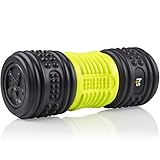
Overview: HealthSmart’s vibrating roller bridges fitness and healthcare, offering FSA/HSA eligibility alongside four vibration intensities for full-body muscle recovery. The contoured shape and textured surface target pressure points from lower back to calves, making it versatile for runners, yoga practitioners, and physical therapy patients. Measuring 11.5 inches and weighing three pounds, it provides stability without excessive bulk for home or gym use.
What Makes It Stand Out: The FSA/HSA eligibility is a significant differentiator, allowing users to purchase with pre-tax healthcare dollars—a rare feature in fitness electronics. The 180-minute runtime is exceptional, supporting weeks of sessions without recharging. The integrated 15-minute auto-stop safety feature prevents overuse and preserves battery, while the contoured design offers better control than cylindrical rollers when targeting specific areas like the lumbar spine.
Value for Money: Priced at $59.99, this roller sits in the mid-range but effectively becomes more affordable for those with flexible spending accounts. The extended battery life adds value by reducing charging frequency, and the healthcare eligibility makes it accessible to patients with chronic pain conditions. It competes well with rollers at this price point while offering unique financial benefits.
Strengths and Weaknesses: Strengths include outstanding battery performance, safety auto-stop, healthcare purchasing options, and maneuverable contoured shape. It’s suitable for clinical and home environments. Weaknesses: the three-pound weight is heavier than many competitors, potentially reducing portability; it offers only four speeds compared to five or six in similarly priced alternatives; and the vibration intensity may not match premium models for deep-tissue needs.
Bottom Line: This roller excels for users with healthcare spending accounts or those prioritizing battery longevity and safety features. While not the most powerful or lightweight option, its practical design and financial accessibility make it a smart choice for regular recovery routines, particularly for injury rehabilitation and chronic pain management.
9. High-Density Vibrating Foam Roller with 5 Customizable Speeds for Deep Tissue Massage, Muscle Recovery and Pain Relief, Durable & Lightweight Design (Black)

Overview: This high-density vibrating roller delivers professional features at a budget-conscious price point. With five customizable speeds and 3D granular massage nodes, it penetrates deep into muscle groups for post-workout recovery and pain relief. The robust construction supports up to 170KG while maintaining a lightweight profile, making it suitable for full-body use from back and legs to arms for beginners and fitness enthusiasts alike.
What Makes It Stand Out: The impressive 170KG load-bearing capacity ensures durability for users of all sizes, while the segmented speed settings serve distinct purposes: gentle daily massage, deep post-exercise recovery, and targeted muscle shaping. The 3D granular nodes create a textured surface that grips muscle tissue effectively without the harshness of hard plastic nubs. Its wireless design and upgraded battery provide genuine portability for gym or travel use without tangled cords.
Value for Money: At $45.99, this roller significantly undercuts competitors while offering specifications that match or exceed pricier models. Five speeds, high weight capacity, and dual-layer construction (ABS core, EVA foam) typically appear in $60+ rollers. For budget-conscious athletes or beginners wanting premium features without financial commitment, this represents exceptional value and accessibility.
Strengths and Weaknesses: Strengths include outstanding affordability, high weight capacity, versatile speed settings, durable dual-material construction, and true wireless portability. The granular texture effectively targets knots. Weaknesses: as a generic brand, long-term reliability is unproven; customer support may not match established companies; and the foam density might feel too firm for users preferring softer rollers. The lack of a timer function is a minor oversight.
Bottom Line: This roller is the value champion for those unwilling to compromise on features for price. It delivers premium specifications—five speeds, heavy-duty construction, and wireless freedom—at an entry-level cost. While brand recognition is limited, the hardware speaks for itself, making it ideal for students, beginners, or anyone prioritizing function over name recognition in their recovery toolkit.
10. Lymphatic Drainage Massage Roller Stick for Post Liposuction & Fibrosis Treatment, Surgery Recovery 360 Lipo, Tummy Tuck & BBL, Lipo Foam, Compression Garment, Faja Compatible

Overview: This specialized massage roller stick serves a niche but critical purpose: post-surgical lymphatic drainage. Designed for recovery from liposuction, tummy tucks, BBL, and other cosmetic procedures, it facilitates fibrosis treatment and reduces swelling. Unlike fitness rollers, this tool prioritizes gentle, consistent pressure that complements compression garments and professional massage therapy during the delicate healing process.
What Makes It Stand Out: Endorsement by plastic surgeons and lymphatic massage specialists gives this tool clinical credibility that generic rollers lack. Its design is specifically calibrated for post-operative tissue, promoting lymphatic fluid movement without damaging sensitive areas. The compatibility with compression garments like Fajas Colombianas makes it an integrated recovery solution rather than a standalone tool. This is a medical-grade device, not a fitness accessory.
Value for Money: At $19.75, this roller is remarkably affordable compared to professional lymphatic massage sessions costing $100+ each. For patients requiring weeks of post-operative care, it enables essential self-massage between clinic visits. When considering the overall cost of cosmetic surgery recovery, this tool represents a minimal investment that can significantly improve outcomes and comfort while reducing total recovery expenses.
Strengths and Weaknesses: Strengths include specialized medical design, professional endorsements, gentle effectiveness for sensitive post-surgical tissue, and universal compression garment compatibility. It’s lightweight and easy to maneuver over healing areas. Weaknesses: the single-purpose design offers no value for general fitness or muscle recovery; manual operation requires user effort; and improper use could potentially harm healing tissue without proper guidance. It’s not a substitute for professional care.
Bottom Line: This roller is indispensable for post-cosmetic surgery patients committed to optimal recovery. Its medical-specific design and affordable price make it a must-have in any post-operative kit. However, it has no application for general athletic recovery. Purchase only if you’re recovering from liposuction, BBL, or related procedures and have received proper usage instructions from your healthcare provider.
What Makes Vibrating Foam Rollers Different from Traditional Models
Traditional foam rollers rely solely on body weight and manual pressure to compress muscle tissue and release fascial adhesions. While effective, this approach can be painful and time-consuming, often causing you to guard against discomfort rather than relaxing into the treatment. Vibrating foam rollers introduce mechanical oscillations that penetrate deeper into muscle tissue without requiring excessive pressure. The vibrations stimulate sensory receptors in your skin and muscles, effectively distracting pain signals while encouraging muscles to relax more completely. This neuromodulatory effect means you can achieve greater myofascial release in less time and with significantly less discomfort—a crucial advantage when you’re already sore from a grueling tempo run or long-distance effort.
The Science Behind Vibration Therapy and Muscle Recovery
Vibration therapy isn’t just a gimmick; it’s grounded in legitimate physiological mechanisms. When applied to muscle tissue, vibrations at specific frequencies (typically 20-60 Hz) activate muscle spindles and Golgi tendon organs, triggering a reflexive relaxation response. This process, known as tonic vibration reflex, reduces muscle guarding and allows for deeper tissue penetration. Additionally, the oscillatory motion increases local blood flow by up to 30%, delivering oxygen-rich blood and clearing metabolic waste products like lactate and creatine kinase more efficiently. Research published in the Journal of Sports Science & Medicine demonstrates that vibration therapy combined with foam rolling reduces DOMS more effectively than either intervention alone, making it particularly valuable for runners who train on consecutive days.
Key Benefits of Using Vibrating Foam Rollers After Running
Post-run recovery demands tools that work quickly and effectively. Vibrating foam rollers excel by addressing multiple recovery pathways simultaneously. First, they dramatically reduce muscle tension and trigger point sensitivity within 5-10 minutes, compared to 15-20 minutes with traditional rollers. Second, the enhanced blood flow accelerates nutrient delivery to micro-tears in muscle fibers, potentially speeding repair processes. Third, the vibration helps maintain tissue elasticity by temporarily increasing muscle temperature and reducing viscosity of synovial fluid in adjacent joints. For runners specifically, regular use has been shown to improve hip flexor range of motion, reduce plantar fascia stiffness, and decrease calf muscle tightness—three of the most common biomechanical restrictions that limit performance and contribute to overuse injuries.
Essential Features to Look for When Buying
Navigating the specifications requires understanding which features genuinely impact your recovery experience versus nice-to-have additions. Prioritize models offering adjustable vibration intensity with at least three distinct levels—this allows you to customize treatment based on muscle group sensitivity and recovery needs. The motor should deliver consistent power without stalling when you apply full body weight, which typically requires a minimum of 20 watts. Look for a device with a reinforced core construction; hollow-core designs with internal ribbing provide better vibration transfer and durability than solid foam models. Finally, consider the control interface—tactile buttons are preferable to touch-sensitive panels that can be accidentally triggered mid-session when your hands are sweaty.
Understanding Vibration Frequency and Amplitude
These two technical specifications determine the therapeutic quality of your vibrating foam roller. Frequency, measured in Hertz (Hz), indicates how many vibration cycles occur per second. Lower frequencies (20-30 Hz) feel gentler and are ideal for sensitive areas like the IT band or when you’re extremely sore. Higher frequencies (40-60 Hz) create a more intense, percussive sensation that penetrates deeper into large muscle groups like the glutes and quads. Amplitude, measured in millimeters, refers to the vertical distance the roller travels during each vibration cycle. Amplitudes between 8-12mm strike the optimal balance between effective tissue stimulation and comfortable use. Avoid models that don’t disclose these specifications—they’re often using weak motors that produce superficial buzzing rather than therapeutic vibration.
Battery Life and Power Considerations
There’s nothing worse than your roller dying mid-recovery session. Quality vibrating foam rollers feature lithium-ion batteries providing 3-5 hours of continuous use per charge—enough for roughly 20-30 sessions before recharging. Quick-charge capability (reaching 80% capacity in under 90 minutes) is a valuable feature for athletes who travel or forget to charge devices regularly. Pay attention to voltage specifications; rollers operating at 12-24 volts maintain consistent vibration strength under load better than underpowered 5-7 volt models. Some advanced units include battery level indicators and automatic shut-off features that preserve power when not in active use. For frequent travelers, consider whether the battery is TSA-compliant for carry-on luggage, as some high-capacity batteries face restrictions.
Material and Density Options
The outer foam material significantly impacts both comfort and durability. EVA (ethylene-vinyl acetate) foam offers the best compromise—firm enough for effective pressure, yet forgiving on bony prominences. High-density EVA (measured in kg/m³) resists compression set better than standard versions, maintaining its shape after months of heavy use. Avoid basic PU (polyurethane) foam, which breaks down quickly and absorbs moisture, becoming a breeding ground for bacteria. Some premium rollers feature dual-density construction with softer outer layers and firmer inner cores, providing cushioning where you need it while maintaining structural integrity. For eco-conscious runners, look for closed-cell foam made from recycled materials—it’s more sustainable and won’t absorb sweat or odors.
Size and Portability Factors
Standard full-size vibrating foam rollers measure 12-13 inches in length and 5-6 inches in diameter—ideal for treating large muscle groups and maintaining stability during use. However, this size can be cumbersome for travel or targeted work on smaller areas like the forearms or feet. Compact versions (6-8 inches long) sacrifice some versatility for portability, fitting easily in gym bags or carry-on luggage. Some manufacturers offer hybrid designs with removable vibration cores that can be swapped between full-size and travel-size foam sleeves, providing maximum flexibility. Consider your primary use case: marathoners who travel to races should prioritize portability, while home-based runners can opt for full-size models with superior stability and coverage.
Texture and Surface Design Variations
Smooth-surfaced vibrating foam rollers deliver consistent vibration transmission and are gentler on sensitive tissues, making them excellent for beginners or post-long-run recovery when muscles are highly sensitized. Textured surfaces featuring ridges, knobs, or grid patterns provide targeted pressure to specific trigger points but can create discomfort when combined with vibration, potentially causing muscle guarding rather than relaxation. If you prefer texture, look for shallow, rounded protrusions rather than aggressive spikes. Some innovative designs incorporate variable texture zones—smoother central sections for large muscle groups and textured ends for targeted spot work. Remember that texture reduces surface contact area, which may diminish vibration transfer efficiency; you’ll need to experiment to find your optimal balance between targeted pressure and vibrational therapy.
How to Use a Vibrating Foam Roller Effectively
Proper technique maximizes benefits while minimizing injury risk. Begin by positioning the roller under the target muscle group with the device powered off, applying gentle body weight to locate tender spots or trigger points. Once positioned, activate the lowest vibration setting and maintain pressure for 30-60 seconds, focusing on slow, controlled breathing to encourage muscular relaxation. Gradually increase vibration intensity only if you can maintain comfort and avoid tensing up. Move slowly along the muscle belly at approximately one inch per second, never rolling directly over joints, bony prominences, or acute injury sites. For large muscles like the quadriceps, perform 2-3 passes; for smaller areas like calves, 1-2 passes suffice. Always roll toward your heart to support venous return, and avoid spending more than two minutes on any single muscle group to prevent overstimulation.
Targeted Recovery Protocols for Common Running Injuries
IT Band Syndrome: Lie on your side with the roller positioned just below the hip joint. Use low-frequency vibration (20-30 Hz) for 45 seconds, focusing on the tensor fasciae latae muscle rather than the IT band itself—rolling the band directly often exacerbates inflammation.
Plantar Fasciitis: While seated, place the roller under your foot arch. Apply moderate pressure with 30-40 Hz vibration, slowly rolling from heel to ball of foot for 60 seconds. The vibration helps break up adhesions in the plantar fascia while increasing blood flow to the poorly vascularized tissue.
Calf Strain: Support your weight with your hands and position the roller under your calf muscle belly. Start with the lowest setting, gradually increasing as tolerance allows. Perform ankle circles during vibration to enhance mobility through the full range of motion.
Runner’s Knee (Patellofemoral Pain): Target the vastus lateralis and medialis muscles with moderate vibration, avoiding direct pressure on the patella. This reduces lateral pull on the kneecap and improves tracking.
Integrating Vibration Rolling into Your Post-Run Routine
Timing matters. Use your vibrating foam roller within 30-90 minutes post-run when muscles are warm and receptive to treatment. Start with a dynamic cool-down (5-10 minutes of easy walking), then hydrate before beginning your rolling session—dehydrated muscles are less pliable and more prone to irritation. Structure your routine hierarchically: begin with major propulsive muscles (glutes, quads, calves) that do the most work, then address secondary stabilizers (TFL, piriformis) if time permits. Pair vibration rolling with static stretching after rolling; the vibration-induced muscle relaxation allows for greater stretch tolerance and improved flexibility gains. For heavy training weeks, consider brief 5-minute rolling sessions both morning and evening to maintain tissue suppleness without overdoing any single session.
Safety Guidelines and Contraindications
While generally safe, vibrating foam rollers aren’t appropriate for everyone. Avoid use if you have acute muscle tears, severe inflammation, deep vein thrombosis, or are taking blood-thinning medications. The vibration can exacerbate nerve-related conditions like sciatica if applied directly over nerve entrapment sites. Pregnant runners should consult their healthcare provider, as vibration therapy’s effects on fetal development haven’t been extensively studied. Never apply vibration to the lower back region where kidneys are located, and avoid the neck area entirely due to sensitive vascular structures. If you experience numbness, tingling, or increased pain during use, stop immediately. Post-session soreness should feel like mild muscle fatigue, not sharp pain—persistent discomfort indicates you’re applying too much pressure or using excessive vibration intensity.
Maintenance and Care for Longevity
Protect your investment with proper maintenance. Wipe down the foam surface after each use with a damp cloth and mild soap solution—avoid harsh chemicals that can degrade foam integrity. For deeper cleaning, use disinfectant wipes containing less than 70% alcohol, as higher concentrations can dry out the foam. Store your roller in a cool, dry place away from direct sunlight; UV radiation breaks down foam polymers and can damage battery components. If your model has a removable outer foam sleeve, wash it monthly according to manufacturer instructions (most are hand-wash only). Charge the battery fully before extended storage periods, and avoid leaving it plugged in continuously, which can reduce battery lifespan. Periodically check for foam compression or deformation, especially if you’re a heavier runner—permanent indentations indicate it’s time for replacement.
Cost vs. Value: Making a Smart Investment
Quality vibrating foam rollers range from $80 to $300, with significant performance differences across price tiers. Budget models ($80-$120) typically offer limited vibration settings, shorter battery life, and basic EVA foam that may compress within 6-12 months of regular use. Mid-range options ($120-$200) provide adjustable frequencies, better battery technology, and more durable construction—this sweet spot offers the best value for most dedicated runners. Premium models ($200+) justify their cost with professional-grade motors, multiple amplitude settings, premium materials, and extended warranties (2-3 years versus 6-12 months). Consider cost-per-use: a $200 roller used five times weekly for two years costs approximately $0.38 per session—far less than a single sports massage. Factor in replacement costs; a well-maintained quality roller should last 2-3 years of heavy use, while budget versions often need annual replacement.
Frequently Asked Questions
How often should I use a vibrating foam roller for optimal recovery?
Most runners benefit from using their vibrating foam roller 4-6 times per week, particularly after runs exceeding 45 minutes or high-intensity workouts. Daily use is safe if you limit each muscle group to 1-2 minutes per session and avoid excessive pressure. Listen to your body—if muscles feel more sore after rolling, reduce frequency or intensity.
Can vibrating foam rollers completely replace traditional foam rollers?
For most recovery purposes, yes. Vibrating rollers offer superior benefits in less time. However, traditional rollers still have a place for technique drills and as a backup when batteries are depleted. Some runners prefer traditional rollers for very light recovery days when they want minimal tissue stimulation.
Are vibrating foam rollers safe for runners with arthritis?
Generally, yes. The vibration can actually reduce joint stiffness by stimulating synovial fluid production. However, avoid direct vibration over arthritic joints themselves. Focus on surrounding musculature to reduce joint stress, and start with the lowest frequency setting to assess tolerance.
How long does it take to see recovery benefits?
Most runners notice immediate post-session improvements in muscle pliability and reduced tension. Measurable reductions in DOMS typically appear within 1-2 weeks of consistent use. Long-term flexibility and injury prevention benefits generally manifest after 4-6 weeks of regular incorporation into your recovery routine.
What’s the difference between vibration foam rolling and percussion massage guns?
Vibrating foam rollers provide broad, sustained pressure combined with vibration across large muscle groups, ideal for comprehensive myofascial release. Massage guns deliver targeted, percussive treatment to specific spots. They’re complementary tools—use rollers for general recovery and massage guns for pinpointing stubborn trigger points.
Should I use my vibrating foam roller before running?
Light vibration rolling pre-run can increase blood flow and temporarily improve range of motion, but keep sessions brief (2-3 minutes total) and use low intensity. Aggressive pre-run rolling may reduce muscle power output. Save intensive sessions for post-run recovery when muscles need repair stimulation.
Can I travel with my vibrating foam roller?
Most full-size models fit easily in checked luggage. For carry-on, compact travel-specific versions (under 8 inches) are TSA-compliant. Remove any lithium batteries if required by airline regulations, and pack the charger separately. The device may be subject to additional screening, so allow extra time at security.
Why does my skin get itchy after using a vibrating foam roller?
This common reaction, called “vibration itch,” results from histamine release stimulated by mechanical vibration and increased blood flow. It’s harmless and typically subsides within 10-15 minutes. Reduce intensity or session duration if it’s uncomfortable, and avoid using the roller on broken or irritated skin.
Is there a weight limit for using vibrating foam rollers?
Quality rollers support 300-500 pounds of static load. However, heavier runners should prioritize models with reinforced cores and high-density foam to prevent compression set. Check manufacturer specifications, and consider that dynamic forces during use can exceed static body weight by 1.5-2 times.
Do vibrating foam rollers help with cellulite?
While some marketing claims suggest cellulite reduction, the evidence is limited. The vibration may temporarily improve skin appearance by increasing local circulation, but it doesn’t address the underlying structural causes of cellulite. Focus on recovery benefits rather than aesthetic expectations for a more satisfying experience.