When you’re shooting for a takedown or defending against a single-leg, your ankles are taking a beating. Every pivot, sprawl, and scramble puts tremendous torque on those joints. It’s no surprise that ankle injuries rank among the most common and debilitating setbacks in wrestling—often sidelining athletes for weeks and creating chronic instability that haunts them for seasons. The right footwear isn’t just about grip on the mat; it’s about creating a fortified yet flexible foundation that keeps you in the fight.
This comprehensive guide dismantles the complexity surrounding wrestling shoe technology, focusing exclusively on how to identify, evaluate, and maximize ankle support. Whether you’re a seasoned competitor or a parent navigating your child’s first season, understanding these principles will transform how you approach your most critical piece of equipment. We’ll explore everything from material science to lacing techniques, ensuring you make an informed decision that protects your performance and your joints.
Top 10 Wrestling Shoes for Ankle Support
Detailed Product Reviews
1. ASICS Men’s Matflex 7 Wrestling Shoes, 9.5, Black/White

Overview: The ASICS Matflex 7 delivers reliable mid-range performance from a trusted wrestling brand. This 9.5 black/white model features a streamlined design with an important sizing caveat: it runs small, requiring a half-size up for many customers. The E.V.A sockliner provides responsive cushioning for mat work, while ASICS’ decades of expertise ensures anatomically sound construction suitable for serious athletes seeking consistent training footwear.
What Makes It Stand Out: The solution-dyed sockliner distinguishes the Matflex 7 through genuine environmental responsibility, reducing water usage by 33% and carbon emissions by 45%. This rare eco-conscious approach in performance footwear appeals to environmentally aware athletes. The E.V.A sockliner maintains excellent rebound properties while preserving the low-profile ground feel essential for wrestling. ASICS’ proven durability and mat-specific traction patterns provide credibility that generic brands cannot match.
Value for Money: At $64.95, the Matflex 7 bridges budget and premium tiers. You’re investing in ASICS’ quality control, anatomical design, and season-long durability rather than flashy features. While $20-30 more than generic options, the brand’s reliability ensures proper fit and performance, making it a smarter long-term purchase for committed wrestlers who need consistent footwear.
Strengths and Weaknesses: Strengths include eco-friendly manufacturing, trusted brand reputation, responsive cushioning, and reliable mat grip. The primary weakness is inconsistent sizing that demands careful ordering. Some users may find the design basic compared to premium models, lacking advanced ankle support or specialized outsole technologies found in tournament-grade shoes.
Bottom Line: The Matflex 7 suits dedicated wrestlers wanting proven brand performance at a reasonable price. Size up a half-size for optimal fit, and you’ll own a durable, environmentally conscious shoe that performs reliably in training and competition without premium cost.
2. Wrestling Shoes Mens Boxing Shoe Fitness Weightlifting Powerlifting Zero Drop Sole Beige
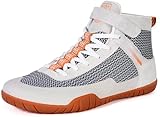
Overview: This versatile beige wrestling shoe serves multiple combat and strength sports with its minimalist zero-drop design. The mid-top construction protects ankles while maintaining mobility, and the wide-width sole accommodates broader feet often neglected by mainstream brands. Built for wrestlers, boxers, and weightlifters, it prioritizes natural foot positioning and balance for athletes who cross-train across disciplines.
What Makes It Stand Out: The zero-drop sole is the defining feature, promoting natural biomechanics and enhanced balance crucial for explosive movements and heavy lifts. The shoe’s minimal aesthetic masks impressive versatility, functioning adequately across wrestling, boxing, and powerlifting. EVA arch support adds comfort without compromising ground feel, while the anti-skid rubber sole provides wear-resistant durability for extended training life.
Value for Money: At $42.30, this model dramatically undercuts established brands by 30-50% while delivering essential performance features. It’s an accessible entry point for beginners or recreational athletes unwilling to invest heavily in sport-specific footwear. However, the unknown brand origin raises quality control questions, and longevity may lag behind premium alternatives. For the price, it’s a low-risk introduction to zero-drop training.
Strengths and Weaknesses: Strengths include exceptional affordability, zero-drop biomechanics, wide-width accommodation, and multi-sport versatility. Weaknesses involve unknown brand reputation, potentially inconsistent manufacturing quality, basic aesthetic design, and lack of specialized wrestling features like lace garages or advanced traction patterns that competitors offer.
Bottom Line: Ideal for budget-conscious athletes exploring zero-drop training across multiple disciplines. While not replacing premium wrestling shoes in competition, it offers exceptional value for gym training, recreational wrestling, and strength sports where natural foot positioning is prioritized over specialized features.
3. Men’s Wrestling Shoes with Lightweight,Sdtdid Boxing Shoes Made of Micro Suede for Gym,Powerlifting,Bodybuilding,Training Etc. Black

Overview: The Sdtdid micro-suede wrestling shoe targets athletes needing lightweight performance across multiple indoor sports. Weighing less than traditional leather models, this black shoe enables explosive directional changes essential for wrestling and boxing. The mid-height design provides ankle support while the suede microfiber upper promises breathability. A unique strap system secures laces to prevent mid-match distractions.
What Makes It Stand Out: The integrated strap design solves the common problem of untied laces during competition—a safety and performance hazard. The micro-suede construction offers premium feel uncommon at this price, combining durability with superior breathability. The sole’s combination of high-strength rubber and heel EVA creates a balanced platform offering grip and cushioning for wrestling’s dynamic movements and weightlifting’s static demands.
Value for Money: At $49.99, this shoe delivers features typically found in $80+ models: premium materials, innovative lace security, and multi-sport versatility. The micro-suede upper provides better durability than mesh while maintaining comfort. For athletes splitting time between wrestling, boxing, and gym training, it eliminates multiple shoe purchases, offering compound value despite moderate upfront cost.
Strengths and Weaknesses: Strengths include the secure strap system, lightweight micro-suede construction, versatile multi-sport design, and balanced grip-to-cushioning ratio. Weaknesses center on the obscure brand name affecting trust, potentially narrower fit than advertised, and mid-height design that may not satisfy wrestlers preferring high-top ankle security for maximum protection.
Bottom Line: A feature-rich crossover shoe perfect for athletes training across wrestling, boxing, and fitness activities. The strap system alone makes it worth considering for competitive wrestlers tired of tape-based lace solutions, offering professional touches at an intermediate price point.
4. BKWHDAY Boxing Shoes Men Wrestling Shoe for Mens Weightlifting Powerlifting Deadlift Squatting High Top Fitness Zero Drop Whiteblue
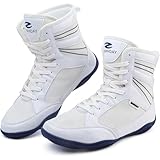
Overview: The BKWHDAY high-top wrestling shoe delivers premium features at a budget price, targeting weightlifters and wrestlers seeking maximum ankle support. The white-blue design features a zero-drop platform promoting natural foot mechanics, while the high-ankle structure extends above the ankle joint for enhanced stability. Engineered mesh and synthetic leather create a breathable upper addressing heat buildup.
What Makes It Stand Out: This shoe boasts technical specifications rivaling premium models: multi-directional serrated treads on a vulcanized rubber outsole promise exceptional grip and durability under extreme twisting. Reinforced double-thread stitching at stress points demonstrates serious attention to longevity, preventing sole delamination. The high-ankle design provides professional-grade joint encapsulation rarely seen under $50.
Value for Money: At $34.99, this is the most aggressively priced option reviewed, offering features commanding $100+ from major brands. The reinforced construction and high-ankle support provide incredible value for powerlifters and wrestlers prioritizing stability. However, the unknown brand raises questions about real-world durability and whether technical claims translate to performance. It’s a high-risk, high-reward proposition.
Strengths and Weaknesses: Strengths include outstanding price-to-feature ratio, high-ankle support, zero-drop design, reinforced construction, and breathable upper. Weaknesses involve unproven brand reputation, potentially optimistic durability claims, aesthetic that may not appeal to traditionalists, and extremely low price possibly indicating unseen cost-cutting.
Bottom Line: Best suited for budget-conscious lifters and beginner wrestlers needing maximum ankle support without financial strain. While competitive athletes should verify durability before competition use, it’s an unbeatable value for training and recreational use, delivering technical features at a fraction of expected cost.
5. ASICS Men’s Aggressor 6 Wrestling Shoes, 12, Black/Pure Silver

Overview: The ASICS Aggressor 6 represents the pinnacle of wrestling shoe engineering, designed for elite competitors demanding uncompromising performance. This premium black/pure silver model in size 12 features ASICS’ most advanced technologies, including the proprietary DUOSOLE outsole that reduces weight while maximizing flexibility and traction. Built for championship-level competition, every component reflects decades of ASICS wrestling heritage.
What Makes It Stand Out: The DUOSOLE outsole technology is a game-changer, combining reduced weight with exceptional mat grip and durability—critical for explosive takedowns and rapid directional changes. Extra ankle padding provides superior comfort and support without adding bulk, while synthetic suede upper material offers a perfect balance of softness and structural integrity. Supportive reinforcement panels strategically placed throughout increase stability during lateral movements.
Value for Money: At $139.95, the Aggressor 6 commands a premium price justified by tournament-ready performance and elite construction. While nearly double the cost of entry-level models, competitive wrestlers gain measurable advantages in traction, weight reduction, and durability that can impact match outcomes. This is an investment in competitive edge rather than casual footwear, with ASICS’ warranty ensuring consistent performance.
Strengths and Weaknesses: Strengths include championship-level traction, lightweight construction, superior ankle support and padding, premium synthetic suede upper, and proven tournament durability. Weaknesses are the high price point making it overkill for beginners, limited color options for style-conscious athletes, and required break-in period for optimal comfort.
Bottom Line: The Aggressor 6 is the definitive choice for serious competitors and committed wrestlers where performance margins matter. If you’re investing in your athletic future and demand equipment that won’t limit your potential, this premium shoe delivers championship pedigree that justifies its elite price tag.
6. Adidas Men’s HVC Wrestling Shoes, White/Black, 12.5
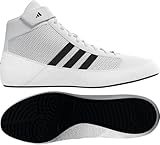
Overview: The Adidas Men’s HVC Wrestling Shoes represent a solid entry point into the brand’s mat footwear lineup, offering a balance of essential features for competitive and recreational wrestlers alike. This particular model in white/black combines classic Adidas styling with functional design elements tailored for the demands of wrestling.
What Makes It Stand Out: The elasticized lace retention cover system is a standout feature that ensures laces stay securely tucked away during matches, eliminating distractions and potential rule violations. The single-layer mesh construction delivers genuine breathability, keeping feet cooler during intense training sessions. Additionally, the consistent mat contact design provides reliable grip without sacrificing the flexibility needed for quick movements.
Value for Money: At $62.99, the HVC hits the sweet spot for budget-conscious athletes who don’t want to compromise on brand quality. This pricing positions it competitively against entry-level options from other major manufacturers while delivering the Adidas pedigree and warranty support that generic brands can’t match.
Strengths and Weaknesses: Strengths include lightweight durability, excellent breathability, reliable grip, and the secure lace cover system. The unisex sizing guidance (women size down 1.5 sizes) adds versatility. Weaknesses may include less advanced cushioning compared to premium models and potential durability concerns for heavy, daily use by advanced competitors.
Bottom Line: The Adidas HVC is an excellent choice for high school wrestlers, beginners, and intermediate athletes seeking reliable performance without breaking the bank. It delivers core wrestling shoe functionality with brand-name assurance.
7. ASICS Men’s MATCONTROL 3 Wrestling Shoes, 11, Black/Pure Silver

Overview: The ASICS Men’s MATCONTROL 3 Wrestling Shoes demonstrate the brand’s commitment to performance innovation and environmental responsibility. Built on decades of wrestling shoe expertise, this black/pure silver model targets athletes who prioritize flexibility and sustainability without sacrificing mat performance.
What Makes It Stand Out: The solution dye sockliner is genuinely innovative, reducing water usage by approximately 33% and carbon emissions by 45% compared to conventional dyeing processes. This eco-conscious approach is rare in performance footwear. The flexion grooves in the outsole provide exceptional flexibility for natural foot movement, while the shoelace garage keeps laces completely concealed—a critical safety and compliance feature.
Value for Money: Priced at $62.96, the MATCONTROL 3 matches competitors’ entry-level pricing while offering unique environmental benefits. ASICS’ reputation for durability and the shoe’s specialized features make this an intelligent investment for the eco-aware wrestler.
Strengths and Weaknesses: Strengths include outstanding flexibility, the concealed lace garage, eco-friendly manufacturing, and ASICS’ proven outsole grip technology. Potential weaknesses include a less breathable upper construction compared to mesh-heavy alternatives and a fit that may run narrow for athletes with wider feet.
Bottom Line: Ideal for environmentally conscious wrestlers and those seeking maximum flexibility, the MATCONTROL 3 delivers premium features at an accessible price point. A smart choice for competitive athletes who value sustainability.
8. adidas Men’s HVC Wrestling Shoes, Black/White/Iron Metallic, 8
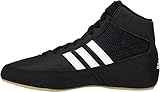
Overview: The Adidas Men’s HVC Wrestling Shoes in Black/White/Iron Metallic represent the same core design as other HVC colorways, offering reliable performance for wrestlers at various skill levels. This size 8 model showcases Adidas’ long-standing commitment to sport-specific footwear with a focus on fundamental wrestling requirements.
What Makes It Stand Out: While the feature description focuses heavily on Adidas’ brand heritage, the HVC line’s proven track record stands out through its practical design. The shoe benefits from Adidas’ decades of sports science research, incorporating lightweight construction and mat-specific outsole patterns that provide consistent grip. The Iron Metallic accent gives it a distinctive aesthetic appeal compared to more basic color schemes.
Value for Money: At $62.99, this shoe matches the pricing of other HVC variants, positioning it as an affordable entry-level option from a premium brand. The price reflects the solid construction and brand reliability without the premium cost of Adidas’ top-tier wrestling models.
Strengths and Weaknesses: Strengths include Adidas’ reputable build quality, versatile design suitable for multiple wrestling styles, and brand-backed durability. The unisex sizing allows broader accessibility. Weaknesses stem from the vague feature description, which lacks specifics about breathability technology or advanced support systems present in competing models.
Bottom Line: A dependable choice for wrestlers who trust the Adidas name and want proven performance basics. The Black/White/Iron Metallic colorway offers subtle style variation while delivering the same solid value as other HVC models.
9. RUDIS JB1 Adult Wrestling Shoes - Beacon,9.5M/11W

Overview: The RUDIS JB1 Adult Wrestling Shoes represent a premium offering from a brand deeply embedded in wrestling culture. The Beacon colorway in size 9.5M/11W targets serious athletes who demand enhanced durability and specialized features for rigorous training and competition at higher levels.
What Makes It Stand Out: The high medial wrap significantly enhances outsole durability in the area most prone to wear during aggressive mat battles. Combined with synthetic suede reinforcements on the quarter, collar, and rand, this shoe is built to withstand punishment. The mesh upper provides strategic breathability without compromising structural integrity, while RUDIS’ wrestling-specific focus ensures every design element serves a competitive purpose.
Value for Money: At $120.00, the JB1 commands a premium price that reflects its advanced construction and specialized durability features. While double the cost of entry-level models, the extended lifespan and targeted reinforcements justify the investment for dedicated wrestlers who train daily.
Strengths and Weaknesses: Major strengths include exceptional durability in high-wear areas, premium synthetic suede construction, wrestling-specific design, and superior medial support. Potential weaknesses include the higher price point, which may deter beginners, and less brand recognition compared to legacy manufacturers.
Bottom Line: The RUDIS JB1 is a worthwhile investment for committed wrestlers, particularly those at the collegiate or elite high school level. If durability and wrestling-specific engineering top your priority list, the premium price delivers tangible performance benefits.
10. Men’s Wrestling Shoes with Lightweight,Sdtdid Boxing Shoes for Gym, Trainning, Powerlifting,Etc. Grey

Overview: These Men’s Wrestling Shoes from Sdtdid position themselves as versatile cross-training footwear for wrestling, boxing, powerlifting, and gym workouts. The grey design emphasizes multi-sport functionality, targeting athletes who participate in various indoor disciplines rather than specializing solely in wrestling.
What Makes It Stand Out: The Velcro reinforcement system combined with traditional laces offers exceptional lockdown and easy on/off convenience—rare in dedicated wrestling shoes. The high-strength rubber outsole with EVA midsole provides versatile grip suitable for multiple surfaces, while the mid-height design delivers ankle support across different activities. The PU insole adds shock absorption beneficial for jumping and lifting movements.
Value for Money: At $53.99, these are the most affordable option reviewed, making them attractive for recreational athletes or those exploring multiple sports. The multi-sport design effectively provides several shoes in one, maximizing value for budget-conscious fitness enthusiasts.
Strengths and Weaknesses: Strengths include the lowest price point, versatile Velcro-lace system, multi-sport adaptability, and ankle support. Weaknesses include the unknown brand reputation, potential lack of wrestling-specific certifications, and compromises in specialized mat performance compared to single-purpose wrestling shoes.
Bottom Line: Best suited for casual wrestlers, MMA crosstrainers, or fitness enthusiasts needing one shoe for multiple gym activities. Competitive wrestlers should invest in sport-specific models, but for versatility and value, these deliver impressive functionality.
Why Ankle Support is Non-Negotiable for Wrestlers
The wrestling stance alone—constantly perched on the balls of your feet, ready to explode in any direction—places your ankles in a precarious position. Unlike running or basketball where movement is primarily linear or vertical, wrestling demands multi-directional agility at extreme angles. Your ankles become the primary shock absorbers and stabilizers during high-impact moves like double-legs, where you drive forward with explosive force, or during defensive sprawls that require rapid backward extension.
Research indicates that ankle sprains account for nearly 15% of all wrestling injuries, with many leading to chronic laxity. Once you’ve suffered a significant sprain, you’re 70% more likely to experience another. This isn’t just about pain—it’s about the cascade effect. An unstable ankle compromises your base, reduces driving power, and forces compensatory movements that stress your knees and hips. Proper support from your footwear acts as a crucial external ligament system, reinforcing natural anatomy when fatigue sets in and form breaks down.
The Anatomy of Ankle Support in Wrestling Footwear
Understanding what makes a wrestling shoe supportive requires dissecting its architecture. Ankle support isn’t a single feature but an integrated system where multiple components work in concert. The upper construction forms the first line of defense, wrapping around your foot and lower ankle like a second skin. This isn’t about rigid immobilization—that would hinder necessary mobility—but about strategic reinforcement.
The heel counter, a stiffened cup at the rear of the shoe, prevents your heel from sliding and your ankle from rolling during lateral movements. Eyestay placement and lacing geometry allow you to customize tension across different zones of your foot. The midsole platform provides proprioceptive feedback, while the outsole’s traction pattern determines how likely your foot is to stick or slip when torque is applied. Each element must be evaluated not in isolation, but for how it contributes to the holistic support ecosystem.
High-Top vs. Mid-Top vs. Low-Top: The Support Spectrum
The cut of your wrestling shoe fundamentally determines its supportive capacity. High-top designs extend several inches above the ankle bone, providing maximum coverage and leverage for lacing systems to create a supportive sleeve. These excel for wrestlers with previous injuries, those competing at heavyweight where sheer mass increases joint stress, or athletes in styles emphasizing upper-body ties and throws that require exceptional balance.
Mid-tops strike the most popular balance, sitting just at or slightly above the ankle bone. They offer substantial support without severely restricting dorsiflexion and plantarflexion—the up-and-down ankle movements crucial for deep penetration steps and defensive maneuvers. This versatility makes them the go-to choice for all-around competitors who need both agility and security.
Low-tops prioritize range of motion and weight reduction above all else. While they sacrifice inherent support, they appeal to aggressive leg attackers who rely on lightning-fast level changes and feel overly constrained by higher cuts. Choosing this style demands compensatory strategies: meticulous strengthening protocols and potentially supplementary bracing.
Lacing Systems: Your Secret Weapon for Customizable Stability
The humble lacing system is perhaps the most underrated support mechanism in wrestling footwear. Traditional crisscross patterns are just the starting point. Modern designs incorporate asymmetrical eyestay configurations that pull the heel deeper into the shoe’s pocket, creating a more secure lockdown. Speed lacing systems with multiple eyelets allow micro-adjustments across different zones—you can keep the forefoot comfortably loose while cinching the ankle collar tightly.
The number of eyelets matters significantly. More eyelets, especially extending higher up the shoe, distribute pressure more evenly and allow finer tension control. Some advanced systems integrate lace loops with integrated straps or “lace anchors” that prevent slippage during matches. Learning to lace properly—using a “runner’s loop” or “heel lock” lacing technique at the top eyelets—can transform a moderately supportive shoe into a fortress of stability without adding weight or bulk.
Upper Materials: Balancing Flexibility and Fortification
Material selection directly impacts both support and comfort. Traditional leather uppers provide unmatched moldability and durability, gradually conforming to your foot shape for a custom fit. However, they sacrifice breathability and add weight. Split-grain leather offers a compromise, maintaining structure while reducing heft.
Modern synthetics—particularly engineered meshes with thermoplastic polyurethane (TPU) overlays—represent the cutting edge. These materials deliver targeted support, with flexible zones allowing natural movement and reinforced sections providing rigid support exactly where needed. The key is evaluating the placement of these overlays: strategic bands around the midfoot and ankle collar indicate thoughtful design, while random decorative patterns suggest aesthetic priority over function.
Some premium constructions incorporate knit uppers with integrated support fibers, creating a sock-like fit that eliminates pressure points while maintaining structure. These excel for athletes with sensitive feet or those prone to hot spots from traditional seams.
Sole Engineering: How Base Design Impacts Ankle Safety
The outsole isn’t just about grip—it fundamentally influences how forces travel up through your foot to your ankle. Split-sole designs, with separate forefoot and heel pads, maximize flexibility for intricate footwork and deep stances. This pliability allows your foot to function naturally, letting ankle stabilizers activate properly. However, excessive flexibility can allow torsional twisting during explosive movements.
Uni-sole constructions provide a continuous platform that resists twisting, offering superior protection against rotational injuries. The tradeoff is reduced ground feel and potentially slower break-in periods. The durometer (hardness) of the rubber compound also matters. Softer compounds grip better but wear faster and can feel unstable on certain mat types. Harder compounds last longer and provide a more stable platform but may slip if the tread pattern isn’t aggressive enough.
Look for outsoles with multi-directional tread patterns specifically designed for mat surfaces. Circular or radial patterns at the ball of the foot facilitate pivots without catching, while lateral grooves at the edges help prevent ankle roll during side-to-side movements.
The Heel Counter: Your Achilles’ Shield
The heel counter deserves special attention as the primary defense against inversion sprains (rolling your ankle inward). This rigid cup, typically made from thermoplastic or compressed fiberboard, should be firm enough that you can’t easily compress it with your thumb. A robust heel counter keeps your calcaneus (heel bone) locked in neutral alignment, preventing the subtalar joint from collapsing into dangerous positions.
Test this component by attempting to squeeze the rear of the shoe from side to side. Minimal give indicates solid construction. Some advanced designs extend the counter slightly up the sides of the heel, creating “wings” that provide additional lateral stability. The interior padding around the counter is equally important—it should be generous enough to prevent blisters but not so thick that it allows heel slip, which would negate the supportive benefits.
Fit Precision: Why Sizing Can Make or Break Your Support
Even the most technologically advanced shoe fails if the fit is incorrect. Wrestling shoes should fit like a glove—snug but not constricting, with absolutely no heel lift when you simulate a shot. Your toes should brush the front of the shoe when standing, but not be cramped. Remember, these shoes stretch, particularly leather models, so a slightly tight initial fit often perfects after break-in.
Width is frequently overlooked but critically important for support. A shoe that’s too narrow compresses the midfoot, reducing the foot’s natural ability to splay and stabilize. Too wide, and your foot slides internally, creating shear forces that stress the ankle. Many brands offer multiple widths—take advantage of this. Try shoes on at the end of the day when your feet are slightly swollen, and always wear your competition socks during fitting. Walk around on a mat-like surface if possible, practicing stance and motion to identify any pressure points or slippage.
Weight vs. Support: Finding Your Competitive Balance
The wrestling shoe market has become obsessed with minimalism, with some models dipping below 7 ounces. While featherweight shoes feel fantastic during footwork drills, extreme weight reduction often comes at the expense of supportive materials. Every gram shaved typically means thinner uppers, reduced reinforcement, or simplified construction.
The optimal balance depends on your weight class and style. Lightweight and middleweight competitors who rely on speed and constant motion can justify lighter shoes with less inherent support, as their dynamic movement patterns naturally stabilize the joint. Heavyweights and power wrestlers need every ounce of support they can get—their mass generates forces that can overwhelm minimalist designs.
Consider this: a 10-ounce shoe with strategic support zones often provides better protection than a 6-ounce shoe with uniform, flimsy construction. Focus on support-to-weight ratio rather than absolute weight. The shoe should feel substantial in the areas that matter (heel, ankle collar) while remaining agile in the forefoot.
Break-In Period: Maximizing Support from Day One
Fresh out of the box, even the best wrestling shoes feel stiff and unforgiving. The break-in process is crucial for molding the shoe to your foot’s unique contours and activating the support systems. Never compete in brand-new shoes—this is a recipe for blisters and suboptimal performance.
Start by wearing them around the house for short periods, gradually increasing duration. Perform ankle circles, calf raises, and gentle shadow wrestling to flex the materials without subjecting them to full intensity. After 3-4 sessions of light wear, begin technical drilling at practice—avoid live wrestling until the shoes feel like an extension of your foot.
For leather shoes, consider using a leather conditioner on non-wrestling surfaces to soften the material slightly. Never artificially accelerate break-in with excessive heat or water immersion, as this can degrade adhesives and supportive structures. A proper break-in takes 1-2 weeks of consistent wear, but the result is a custom-fit support system that performs reliably under pressure.
Maintenance Protocols for Sustained Ankle Protection
Support degrades gradually, often invisibly, through improper care. Moisture is the enemy of structural integrity. Always air-dry shoes completely after practice—never throw them in a gym bag while damp. Remove insoles and laces to accelerate drying and prevent bacterial growth that can break down materials. Stuff shoes with newspaper to absorb moisture from the inside out.
Clean mats debris regularly with a soft brush and mild soap, avoiding harsh chemicals that can degrade rubber compounds and synthetic uppers. Store shoes in a cool, dry place away from direct sunlight, which embrittles materials over time. Inspect stitching and glue lines monthly; separation at the sole or eyestays indicates structural failure that compromises support.
Rotate between two pairs if you practice daily. This 24-hour rest period allows materials to fully recover their shape and supportive properties, extending overall lifespan by up to 40%. Think of it like muscle recovery—constant loading without rest leads to breakdown.
Red Flags: Common Selection Mistakes That Compromise Support
Many athletes sabotage their ankle health through easily avoidable errors. Buying shoes too large “for growth” is perhaps the most egregious—excess volume allows dangerous foot sliding and nullifies the heel counter’s effectiveness. Prioritizing colorways or brand endorsements over functional features is another trap; a shoe that looks great but lacks reinforced ankle collars is a liability.
Ignoring your injury history is a critical mistake. If you’ve had previous ankle sprains, you need maximum support, period. Don’t let peer pressure or style trends push you toward minimalist options. Another red flag is choosing shoes based on how they feel standing still. The walking test is inadequate; you must simulate wrestling movements. A shoe that feels comfortable walking might allow heel slip during explosive shots.
Beware of “multi-sport” shoes marketed for wrestling. True wrestling shoes have specific features—thin, flexible soles for ground feel, minimal cushioning for stability, and specialized traction patterns. Cross-trainers or boxing shoes lack the nuanced support architecture that wrestling-specific movements demand.
When to Retire Your Shoes: Support Degradation Timeline
Supportive properties don’t last forever. The general rule is 6-12 months for competitive wrestlers training 5-6 days weekly, but this varies dramatically based on intensity, weight class, and care practices. The outsole’s traction pattern is the most visible wear indicator, but support fails long before the rubber disappears.
Perform a monthly “twist test.” Hold the shoe at heel and toe, then attempt to wring it like a towel. Excessive torsional flex indicates the supportive midsole shank or upper reinforcements have broken down. Check the heel counter by pressing firmly—it should remain rigid. If it collapses easily, retirement is overdue.
Pay attention to your body. New aches in your ankles, knees, or even hips can signal that your shoes are no longer providing adequate support. Sudden increases in blisters or hot spots suggest the interior structure has degraded, allowing micro-movements. For athletes with injury histories, err on the side of caution—replace shoes at the first sign of support loss rather than pushing them to failure.
Complementary Gear: Enhancing Support Beyond the Shoe
No shoe provides complete protection alone. Strategic gear integration creates a comprehensive ankle defense system. Compression socks with targeted arch and ankle support improve proprioception—the body’s awareness of joint position—allowing faster stabilizing muscle activation. Look for socks with reinforced cushioning at the heel and forefoot to absorb impact without adding bulk.
Ankle braces can be worn under wrestling shoes, but compatibility is crucial. Low-profile, lace-up braces integrate seamlessly with most mid and high-top shoes. Avoid rigid hinged braces unless prescribed medically; they restrict necessary wrestling mobility. Elastic sleeves provide mild support and warmth, beneficial for chronically unstable joints but insufficient for primary protection.
Taping remains the gold standard for competition-day support. Learn proper athletic taping techniques or invest in pre-wrap and self-adhesive tape. The key is applying appropriate tension—too tight restricts circulation and movement; too loose provides no benefit. Many elite wrestlers combine a supportive shoe with light taping for critical matches, creating redundant protection systems.
Ankle-Strengthening Protocols for Wrestlers
External support means little without internal stability. The peroneal muscles along your outer lower leg are your primary defense against inversion sprains. Incorporate resisted ankle eversion exercises using bands: sit with your leg extended, loop a resistance band around your foot, and rotate your ankle outward against tension. Perform 3 sets of 15-20 reps daily.
Single-leg balance training on unstable surfaces (balance boards, foam pads) while simulating wrestling postures builds dynamic stability. Progress to catching and throwing a medicine ball while balancing to replicate match chaos. Calf raises on a step, emphasizing the eccentric (lowering) phase, strengthen the entire posterior chain that stabilizes the ankle.
Plyometric drills like single-leg hops and lateral bounds train your neuromuscular system to react quickly to perturbations. The goal isn’t just strength, but reactive capacity—your ability to catch yourself when your ankle starts to roll. Integrate these exercises 2-3 times weekly, preferably before practice when you’re fresh. Strong ankles make good shoes great, and great shoes make strong ankles invincible.
Budget Considerations: Investing Wisely in Your Ankle Health
Price tiers in wrestling shoes generally correlate with support technology, but the relationship isn’t linear. Entry-level models ($50-80) typically use basic synthetic uppers with minimal reinforcement and simple lacing systems. They’re adequate for beginners or casual participants but lack the sophisticated support architecture competitive athletes need.
Mid-range options ($80-130) represent the sweet spot for most wrestlers. These incorporate strategic TPU overlays, improved heel counters, and advanced lacing geometries. The support-to-cost ratio peaks here, offering 80% of premium performance at 60% of the price.
Premium shoes ($130+) utilize cutting-edge materials like knit uppers with integrated support fibers, carbon fiber shanks, and proprietary lacing innovations. While the incremental support gains over mid-range models are modest, they often provide better durability and weight reduction. For athletes with injury histories or those at elite levels, this investment pays dividends in injury prevention and confidence.
Consider your total cost of ownership. A $150 shoe that lasts 10 months with proper care costs less per month than an $80 shoe that fails in 4 months. More importantly, factor in the cost of injury—medical bills, lost training time, and compromised performance dwarf any shoe price difference.
Frequently Asked Questions
How tight should I lace my wrestling shoes for optimal ankle support?
Lace snugly through the midfoot to eliminate heel slip, then progressively tighten through the ankle eyelets. The top should feel firm but not painfully compressive. You should be able to fit one finger between the laced area and your ankle. Perform ankle circles after lacing; if you feel restriction in natural movement, loosen slightly. Remember, support comes from even tension distribution, not maximum tightness.
Can I wear ankle braces with wrestling shoes without affecting performance?
Yes, but choose low-profile, flexible braces designed for court sports. Lace-up braces integrate best with mid and high-top shoes. Avoid bulky hinged braces that restrict dorsiflexion needed for deep shots. Test the combination during practice before competition. Some wrestlers prefer taping for its minimal bulk and customizability. The key is ensuring the shoe still fits properly with the brace—never size up to accommodate it.
Do split-sole or uni-sole designs offer better ankle protection?
Uni-sole designs generally provide superior protection against rotational forces that cause ankle sprains due to their continuous platform resisting torsional twisting. However, split-soles allow more natural foot function and better proprioception, which can help your stabilizing muscles activate faster. For pure ankle safety, uni-soles edge ahead. For wrestlers prioritizing mobility with good ankle strength, split-soles are viable.
How do I know if my wrestling shoes are providing adequate ankle support?
Your ankles shouldn’t feel fatigued or achy after practice. Perform a simple test: lace your shoes, then have a partner gently try to manually invert your ankle (roll it inward). You should feel firm resistance from the shoe’s upper and heel counter before significant movement occurs. If you can easily roll the shoe with your hand inside it, support is inadequate. Also, monitor for new blisters or hot spots, which indicate foot sliding and support failure.
Should beginners prioritize ankle support over other features?
Absolutely. Developing wrestlers haven’t yet built the neuromuscular control and ankle strength that experienced athletes possess. A supportive shoe acts as a training aid, reinforcing proper mechanics and preventing injuries that could derail development. As technique and strength improve, you can reassess needs. Starting with minimal support is like learning to drive in a car with bald tires—unnecessarily risky.
Can wrestling shoes help with chronic ankle instability from old injuries?
Quality wrestling shoes with robust heel counters, high-top cuts, and advanced lacing can significantly reduce re-injury risk, but they’re not a cure. They work best as part of a comprehensive approach including physical therapy, taping, and targeted strengthening. Look for models with exceptional torsional rigidity and consider adding a lace-up brace. The psychological confidence of secure footwear alone can improve performance in athletes with injury anxiety.
How often should I replace wrestling shoes to maintain ankle support?
Competitive wrestlers training 5-6 days weekly should replace shoes every 6-9 months, regardless of visible wear. Support materials fatigue from repetitive loading. Heavyweights may need replacement closer to 6 months; lighter weights might stretch to 9-10. Casual wrestlers can often extend to 12 months. Always replace immediately if you notice increased ankle soreness, heel slip, or if the shoe passes the twist test with excessive flexion.
Are high-top wrestling shoes always the best choice for ankle support?
Not necessarily. While high-tops provide maximum coverage and leverage for lacing, they can restrict the plantarflexion needed for deep penetration steps. Wrestlers with excellent ankle strength and no injury history may find mid-tops offer sufficient support with better mobility. High-tops are ideal for those with previous sprains, heavyweights, or athletes in throwing-heavy styles. The best choice depends on individual biomechanics, not just a one-size-fits-all approach.
What’s the biggest mistake people make when fitting wrestling shoes for ankle support?
Buying too large is the cardinal sin. Wrestling shoes should fit like a second skin with zero heel lift. Many athletes size up thinking they’ll be more comfortable or last longer, but excess volume allows the foot to slide internally during dynamic movements. This movement shears against the ankle support structures, rendering them ineffective and creating blister-causing friction. Always fit shoes while wearing competition socks and performing wrestling-specific movements.
Can I improve the ankle support of my current wrestling shoes?
Yes, through proper lacing techniques like the heel lock method, adding supportive insoles with enhanced arch and heel cupping, and ensuring meticulous maintenance. However, you can’t fundamentally change a shoe’s design limitations. If your current model lacks a substantial heel counter or adequate upper reinforcement, no amount of clever lacing will compensate. Focus on optimizing what you have while planning your next purchase around support-centric features.